Alcoholism, clinically known as alcohol use disorder (AUD), is a chronic disease characterised by an inability to control or cease alcohol consumption despite adverse social, occupational, or health consequences. This condition affects millions of Australians and represents a significant public health challenge across the nation.
Recognising the warning signs of alcohol dependency is crucial for early intervention. Common indicators include:
Alcohol dependency can lead to severe physical health complications including liver disease, cardiovascular problems, and increased cancer risk. Mental health effects often include depression, anxiety, and cognitive impairment. The social impact extends beyond the individual, affecting family relationships, employment stability, and community wellbeing.
According to the Australian Bureau of Statistics, approximately 4.2% of Australians aged 14 and over consume alcohol daily, with regional areas showing higher rates of risky drinking patterns. Professional help should be sought when alcohol consumption interferes with daily functioning, relationships, or when attempts to reduce drinking prove unsuccessful.
Medication-assisted treatment represents a scientifically proven approach to managing alcohol dependency, combining pharmaceutical interventions with counselling and behavioural therapies. These medications work by addressing the neurochemical imbalances associated with alcohol use disorder, helping individuals maintain sobriety and reduce the risk of relapse.
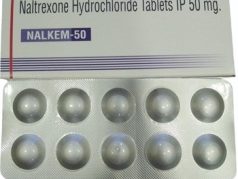
Naltrexone functions as an opioid receptor antagonist, effectively blocking the euphoric and sedative effects of alcohol. By interfering with the brain's reward pathways, this medication significantly reduces alcohol cravings and the pleasurable sensations associated with drinking. Clinical studies demonstrate that naltrexone can reduce heavy drinking days by up to 25% when combined with appropriate counselling.
The standard oral dosage is 50mg daily, typically taken in the morning with food to minimise gastrointestinal side effects. The extended-release injectable form (Vivitrol) is administered monthly by healthcare professionals. Common side effects include nausea, headache, and fatigue, whilst contraindications include acute hepatitis, liver failure, and concurrent opioid use.
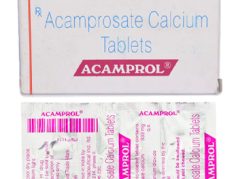
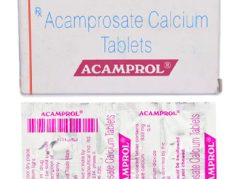
Acamprosate works by modulating neurotransmitter systems in the brain, particularly targeting the glutamate and GABA pathways disrupted by chronic alcohol consumption. This medication is particularly effective in managing withdrawal symptoms and reducing the psychological distress associated with early sobriety.
Available in 333mg tablets throughout Australia, acamprosate is typically prescribed at 666mg three times daily for patients weighing over 60kg. Treatment duration usually extends for 6-12 months, with regular monitoring for kidney function and treatment adherence. This medication is most suitable for patients who have already achieved initial detoxification and are committed to maintaining complete abstinence.
Medically supervised detoxification is crucial for safe alcohol withdrawal management in Australia. Healthcare professionals monitor patients closely during this critical period, utilising specific medications to prevent complications and support recovery. The Therapeutic Goods Administration (TGA) regulates these medications to ensure safety and efficacy for Australian patients.
Thiamine supplementation is essential for preventing Wernicke-Korsakoff syndrome, a serious neurological condition associated with chronic alcohol use. Australian clinical guidelines recommend high-dose thiamine administration during detoxification. Injectable forms provide immediate bioavailability for severe deficiency cases, whilst oral preparations support ongoing maintenance therapy. Dosage protocols typically range from 100-300mg daily, depending on individual patient needs and deficiency severity.
Diazepam and oxazepam represent the gold standard for managing alcohol withdrawal symptoms in Australian healthcare settings. These medications help prevent seizures and reduce anxiety during detoxification. Safety protocols require careful monitoring of respiratory function and consciousness levels. Healthcare providers assess withdrawal severity using standardised scales to determine appropriate dosing schedules and duration of treatment.
Comprehensive multivitamin formulations address nutritional deficiencies common in alcohol dependency. These supplements typically contain B-complex vitamins, vitamin C, and essential minerals to support metabolic recovery and immune function restoration.
Complementary therapies offer additional support alongside conventional alcoholism treatments in Australia. These natural approaches focus on addressing nutritional deficiencies, supporting liver function, and promoting overall wellness during recovery. Whilst these treatments show promise, they should complement, not replace, evidence-based medical interventions.
Kudzu extract has demonstrated potential in reducing alcohol cravings through its isoflavone compounds. Research suggests it may help decrease alcohol consumption by affecting alcohol metabolism. Milk thistle (silymarin) supports liver health and may aid hepatic recovery from alcohol-related damage. Australian naturopaths often recommend these herbs as part of comprehensive recovery programmes, though clinical evidence varies in quality and scope.
Essential nutrients play vital roles in addiction recovery and neurological healing. Key supplements include:
Combining natural supplements with prescription medications requires careful consideration of potential interactions. Australian healthcare providers recommend consulting qualified practitioners before starting complementary treatments. Evidence-based research on alternative therapies varies significantly, with some supplements showing promising preliminary results whilst others require further investigation. The TGA regulates therapeutic goods to ensure quality standards for complementary medicines available in Australia.
Australian pharmacies offer various over-the-counter products that can help manage the physical symptoms associated with alcohol withdrawal and recovery. These supportive treatments can complement professional medical care and make the recovery process more comfortable.
Anti-nausea medications such as dimenhydrinate can help alleviate withdrawal-related nausea and vomiting. Sleep aids containing melatonin or diphenhydramine may assist with insomnia commonly experienced during early recovery. Antacids and digestive enzymes can address gastrointestinal discomfort that often accompanies alcohol cessation.
Always consult with your pharmacist or healthcare provider before using these products, especially if you're taking prescription medications or have underlying health conditions.
Australia offers comprehensive professional support networks for individuals seeking help with alcohol dependency. Accessing qualified healthcare providers and appropriate treatment programs is crucial for successful recovery outcomes.
General practitioners can provide initial assessments and referrals to specialised addiction medicine physicians or psychiatrists. Many public and private hospitals across Australia offer detoxification services, whilst residential rehabilitation centres provide intensive treatment programs ranging from 28 days to several months.
Medicare provides rebates for alcohol treatment consultations with eligible healthcare providers. Outpatient programs through community health centres offer ongoing support, whilst telephone helplines like the National Alcohol and Other Drug Hotline (1800 250 015) provide 24/7 assistance.
Ongoing monitoring through regular medical check-ups and participation in support groups significantly improves long-term recovery success rates.