Allergic reactions occur when your immune system overreacts to normally harmless substances, triggering the release of histamine and other inflammatory chemicals. This response can affect various parts of your body, including your respiratory system, skin, and digestive tract, leading to symptoms such as sneezing, runny nose, itchy eyes, skin rashes, and in severe cases, anaphylaxis.
Australia's diverse climate and environment present unique allergy challenges for residents. Common triggers include native pollen from eucalyptus, wattle, and grasses, particularly during spring and summer months. Dust mites thrive in humid coastal areas, while food allergens such as shellfish, nuts, and dairy products affect many Australians year-round.
Antiallergic medications work by either blocking histamine receptors or preventing the release of inflammatory substances. These medicines can significantly reduce both the severity and frequency of allergic symptoms, helping you maintain your quality of life throughout allergy seasons.
Allergic reactions can be classified into different types: seasonal allergies that occur during specific times of the year, perennial allergies that persist year-round, acute reactions that develop suddenly, and chronic conditions that require ongoing management. You should seek medical advice if you experience severe reactions, symptoms that don't respond to over-the-counter treatments, or if allergies significantly impact your daily activities.
Antihistamines are the most commonly used antiallergic medications, working by blocking histamine H1 receptors and preventing the cascade of allergic symptoms. These medications are particularly effective for treating hay fever, allergic rhinitis, hives, and other histamine-mediated reactions.
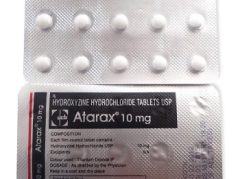
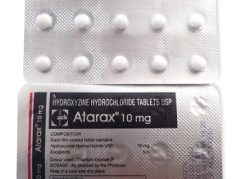
First-generation antihistamines are effective but often cause drowsiness as they cross the blood-brain barrier. In Australia, commonly available options include:
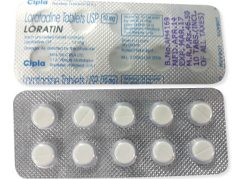
Second-generation antihistamines offer the advantage of minimal sedation whilst maintaining excellent efficacy. Popular choices available in Australian pharmacies include Cetirizine (Zyrtec), which provides 24-hour relief from hay fever and urticaria; Loratadine (Claratyne), ideal for daily use during allergy season; Fexofenadine (Telfast), known for its non-sedating properties; and Desloratadine (Aerius), offering superior symptom control for chronic allergic rhinitis.
When choosing between drowsy and non-drowsy options, consider your daily activities and symptom severity. Non-drowsy antihistamines are preferable for daytime use, work, and driving, whilst sedating antihistamines may be beneficial when allergies interfere with sleep. For maximum effectiveness, take antihistamines regularly during allergy season rather than waiting for symptoms to develop, and follow the recommended dosing schedule consistently.
Nasal sprays and topical treatments offer targeted relief for localised allergic reactions, delivering medication directly to affected areas. These treatments are particularly effective for managing seasonal allergies, hay fever, and allergic skin conditions common throughout Australia's diverse climate zones.
Corticosteroid nasal sprays are considered the gold standard treatment for allergic rhinitis in Australia. These prescription and pharmacy medicines work by reducing inflammation in the nasal passages, providing relief from sneezing, congestion, and runny nose associated with pollen, dust mites, and other environmental allergens.
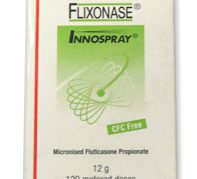
Fluticasone (Flixonase) is widely prescribed across Australia for both seasonal and perennial allergic rhinitis. This once-daily spray provides 24-hour relief and is suitable for adults and children over four years. Regular use during allergy season helps prevent symptoms before they become problematic.
Budesonide (Rhinocort) offers another effective option for managing allergic rhinitis symptoms. Available in Australian pharmacies, this corticosteroid spray is particularly beneficial for people who experience year-round allergies due to indoor allergens like dust mites and pet dander.
Mometasone (Nasonex) provides potent anti-inflammatory action with minimal systemic absorption. This makes it an excellent choice for long-term management of chronic allergic rhinitis, particularly during Australia's extended pollen seasons.
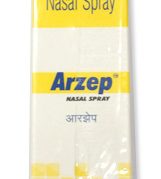
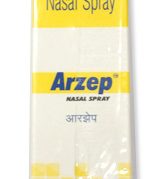
Azelastine (Azep) represents a fast-acting antihistamine nasal spray option available in Australian pharmacies. Unlike corticosteroid sprays, azelastine provides rapid symptom relief within 15 minutes, making it ideal for breakthrough symptoms or situations requiring immediate relief from nasal allergy symptoms.
While decongestant nasal sprays provide immediate relief from nasal congestion, they come with significant limitations that Australian consumers should understand. These sprays should not be used for more than three consecutive days due to the risk of rebound congestion, where symptoms worsen when the medication is discontinued. Long-term use can lead to dependency and chronic nasal congestion.
Allergic conjunctivitis frequently accompanies hay fever, particularly during Australia's high pollen seasons. Specialised eye drops provide targeted relief for itchy, watery, and red eyes without affecting other allergy symptoms.
Sodium cromoglycate (Opticrom) works as a mast cell stabiliser, preventing the release of histamine in the eyes. This makes it particularly effective when used preventively before exposure to known allergens. It's available over-the-counter in Australian pharmacies and is suitable for long-term use.
Ketotifen (Zaditen) combines antihistamine and mast cell stabilising properties in one eye drop formulation. This dual action provides both immediate relief and long-term protection against allergic eye symptoms, making it popular among Australian allergy sufferers.
Topical treatments for allergic skin conditions range from gentle moisturisers to prescription corticosteroid creams. These treatments address the dry, itchy, and inflamed skin characteristic of eczema and contact dermatitis. Australian dermatologists often recommend a stepped approach, beginning with gentle, fragrance-free moisturisers and progressing to medicated treatments as needed.
Oral corticosteroids represent a crucial intervention for severe allergic reactions and conditions that don't respond adequately to other treatments. While highly effective, these medications require careful medical supervision due to their potential for significant side effects, particularly with prolonged use.
Australian doctors prescribe oral corticosteroids for severe allergic reactions, acute asthma exacerbations, severe eczema flares, and cases where topical or inhaled treatments have proven insufficient. These medications are typically reserved for situations where the benefits clearly outweigh the risks, such as preventing hospitalisation or managing life-threatening allergic responses.
Short-term corticosteroid courses, typically lasting 5-10 days, are commonly used in Australian medical practice to manage acute allergic flares. These brief treatments usually don't require tapering and have minimal side effects. Long-term use, however, requires careful monitoring and gradual dose reduction to prevent withdrawal symptoms and adrenal suppression.
Prednisolone is the most frequently prescribed oral corticosteroid in Australia for allergic conditions. Available in various strengths, it's often used for asthma exacerbations, severe eczema, and significant allergic reactions. The typical course ranges from 5-40mg daily, depending on the condition severity and patient factors.
Dexamethasone offers a longer-acting alternative with more potent anti-inflammatory effects. Australian specialists may prefer this option for certain conditions requiring sustained corticosteroid action, though its longer half-life requires more careful dosing considerations.
Proper management of corticosteroid therapy involves monitoring for side effects and implementing appropriate tapering schedules when discontinuing treatment. Australian healthcare providers typically establish clear protocols for:
Severe allergic reactions, including anaphylaxis, require immediate intervention with emergency medications. Australian emergency protocols emphasise rapid recognition and treatment of life-threatening allergic reactions, with adrenaline serving as the first-line treatment for anaphylaxis.
EpiPen and other adrenaline auto-injectors are essential emergency medications for Australians at risk of severe allergic reactions. These devices are available through Australian pharmacies with a prescription and should be carried at all times by individuals with known severe allergies. The Therapeutic Goods Administration ensures these devices meet strict quality standards, and many are subsidised under the Pharmaceutical Benefits Scheme. Proper training in their use is crucial, and Australian pharmacists regularly provide education on correct injection technique and when to seek emergency medical care following use.
Quercetin, a natural flavonoid found in foods like onions, apples, and berries, acts as a natural antihistamine by stabilising mast cells and reducing histamine release. This powerful antioxidant can help manage allergic symptoms naturally, particularly when combined with bromelain for enhanced absorption. Other natural antihistamines include vitamin C, which supports immune function and has mild antihistamine properties, and stinging nettle, which has been traditionally used to manage hay fever symptoms.
Probiotics play a crucial role in supporting immune system balance and may help reduce allergic responses by promoting healthy gut bacteria. Research suggests that specific strains like Lactobacillus rhamnosus and Bifidobacterium lactis can help modulate immune responses and potentially reduce the severity of allergic reactions. Regular probiotic supplementation may be particularly beneficial for individuals with food allergies or those experiencing seasonal allergies.
Butterbur (Petasites hybridus) has shown promising results in clinical studies for managing hay fever symptoms, with effectiveness comparable to some conventional antihistamines. Other beneficial herbal remedies include:
Saline nasal irrigation is an effective, drug-free method for managing nasal allergy symptoms. Regular use of saline rinses helps remove allergens, reduce inflammation, and improve nasal congestion. Neti pots, squeeze bottles, or pre-made saline sprays can provide relief from pollen, dust, and other airborne allergens whilst maintaining nasal hygiene throughout allergy seasons.
Reducing exposure to allergens in your environment is fundamental to managing allergies effectively. This includes using HEPA air purifiers, maintaining humidity levels between 30-50%, regular vacuuming with HEPA filters, and implementing dust mite-proof bedding covers. For pollen allergies, keeping windows closed during high pollen days and showering after outdoor activities can significantly reduce symptom severity.
Natural remedies work best when integrated with conventional treatments rather than replacing them entirely, particularly for severe allergies. They can be especially useful for long-term management, reducing the need for higher doses of conventional medications, and supporting overall immune health. Always discuss combining natural and conventional treatments with your healthcare provider to ensure optimal safety and effectiveness.
Whilst natural doesn't always mean safe, herbal supplements can interact with medications and may not be suitable for everyone. Always choose products with standardised extracts, check for TGA approval where applicable, and consult with a pharmacist or healthcare provider before starting any herbal regimen, especially if you're taking other medications or have underlying health conditions.
Selecting the most appropriate antiallergic medication depends on several factors including the type and severity of your allergies, lifestyle requirements, and individual response to different treatments. Consider whether you need fast-acting relief for acute symptoms or long-term prevention, your daily activities that might be affected by sedation, and any specific symptoms that predominate, such as nasal congestion versus skin reactions.
Children and elderly individuals require special consideration when selecting allergy treatments. For children, liquid formulations and age-appropriate dosing are essential, with many antihistamines approved for use from 6 months of age. Elderly patients may be more sensitive to anticholinergic effects and drowsiness, making newer non-sedating antihistamines preferable. Always check age restrictions on packaging and consult healthcare professionals for paediatric or geriatric allergy management.
Antiallergic medications can interact with various common medications. Sedating antihistamines may enhance the effects of alcohol, sleeping tablets, and anxiety medications. Some antihistamines can interact with certain antidepressants, and decongestants may affect blood pressure medications. Always inform your pharmacist of all medications, including over-the-counter products and supplements, to avoid potentially dangerous interactions.
Many antiallergic medications are considered safe during pregnancy and breastfeeding, but careful selection is important. Loratadine and cetirizine are generally preferred oral antihistamines during pregnancy, whilst topical treatments like saline nasal sprays and artificial tears are safe options. Always consult your doctor or pharmacist before using any allergy medications whilst pregnant or breastfeeding to ensure the safety of both mother and baby.
Individuals with multiple allergies may need combination approaches for optimal management. This might involve using different treatments for different allergens or symptoms, such as combining oral antihistamines for general allergic reactions with nasal sprays for specific nasal symptoms. A comprehensive approach may include:
Seek professional advice when over-the-counter treatments aren't providing adequate relief after 7-10 days of proper use, when symptoms are severe or affecting daily activities, or if you experience side effects from allergy medications. Additionally, consult healthcare professionals for first-time allergy sufferers, when considering prescription alternatives, or if you suspect food allergies or anaphylaxis. Your pharmacist can provide immediate advice on product selection and safety, whilst your GP can investigate underlying causes and prescribe stronger treatments if needed.
Preparing for allergy seasons before symptoms begin can significantly improve management outcomes. Start taking preventive medications 2-4 weeks before expected symptom onset, typically in early spring for grass pollen allergies in Australia. Monitor local pollen forecasts, prepare your home environment, and ensure you have adequate supplies of proven effective treatments ready for peak allergy periods.
Proper storage ensures medication effectiveness and safety. Store most allergy medications in cool, dry places away from direct sunlight and humidity. Check expiry dates regularly, particularly for emergency medications like adrenaline auto-injectors, and replace expired products promptly. Nasal sprays and eye drops may have shorter shelf lives once opened and should be discarded according to package instructions to prevent contamination.
An effective allergy management plan should be comprehensive and personalised to your specific needs. Work with healthcare professionals to identify your specific allergens through testing if necessary, develop both acute treatment and prevention strategies, and create an emergency action plan for severe reactions. Regular review and adjustment of your plan ensures continued effectiveness as your allergies or circumstances change over time.