Antibacterial medications, commonly known as antibiotics, are powerful medicines designed to fight bacterial infections by either killing bacteria or inhibiting their growth. These medications work through various mechanisms, including disrupting bacterial cell walls, interfering with protein synthesis, or preventing DNA replication within bacterial cells.
In Australia, antibacterial medications are classified into several distinct classes, each targeting bacteria through different pathways. The Therapeutic Goods Administration (TGA) regulates these medicines to ensure their safety and efficacy for Australian patients. Understanding the distinction between prescription and over-the-counter antibacterial products is crucial for proper treatment.
Most effective antibacterial medications require a prescription from a qualified healthcare practitioner, whilst some topical antibacterial preparations may be available over-the-counter for minor skin infections. Prescription antibiotics are necessary for treating serious bacterial infections such as:
Proper diagnosis through clinical examination and, when necessary, laboratory testing is essential before commencing antibacterial treatment. This ensures the infection is indeed bacterial rather than viral, as antibiotics are ineffective against viral infections. Additionally, accurate diagnosis helps healthcare providers select the most appropriate antibiotic, reducing the risk of treatment failure and minimising the development of antibiotic resistance.
Australia's pharmaceutical landscape offers a comprehensive range of antibacterial treatments across multiple drug classes. Penicillins remain amongst the most commonly prescribed antibiotics, with amoxicillin being widely used for respiratory and ear infections, whilst flucloxacillin is preferred for skin and soft tissue infections caused by staphylococcal bacteria.
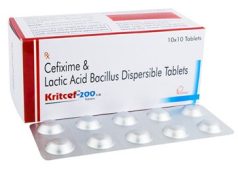
Cephalosporins, including cephalexin and cefaclor, serve as excellent alternatives for patients with mild penicillin allergies and are frequently prescribed for urinary tract infections and skin conditions. These broad-spectrum antibiotics offer reliable coverage against many common bacterial pathogens.
Macrolides such as erythromycin and azithromycin are particularly valuable for treating respiratory infections and are often prescribed for patients with penicillin allergies. Azithromycin's convenient dosing regimen makes it especially popular for treating community-acquired pneumonia and certain sexually transmitted infections.
Fluoroquinolones, including ciprofloxacin and norfloxacin, are reserved for more serious infections due to their broad spectrum of activity. These medications are commonly used for complicated urinary tract infections and certain gastrointestinal infections.
Tetracyclines like doxycycline and minocycline offer unique benefits for treating acne, tick-borne illnesses, and certain respiratory infections. Sulfonamides and combination products, such as trimethoprim-sulfamethoxazole, remain important options for urinary tract infections and some cases of pneumonia, providing cost-effective treatment solutions for Australian patients.
Antibacterial medications are prescribed to treat a wide range of bacterial infections affecting different parts of the body. Understanding which conditions require antibacterial treatment helps patients recognise when to seek medical attention and follow proper treatment protocols.
Bacterial respiratory infections including bronchitis, pneumonia, and sinusitis are commonly treated with antibacterials. These conditions often develop after viral infections weaken the immune system, allowing harmful bacteria to multiply in the airways and lungs.
Urinary tract infections (UTIs) and kidney infections frequently require antibacterial treatment. Women are particularly susceptible to UTIs, which can progress to more serious kidney infections if left untreated.
Each type of bacterial infection may require specific antibacterial medications chosen based on the causative bacteria, infection severity, and patient medical history. Always consult with healthcare professionals for proper diagnosis and treatment recommendations rather than self-medicating with antibacterial drugs.
Using antibacterial medications correctly is crucial for effective treatment and preventing antibiotic resistance. Following proper guidelines ensures optimal therapeutic outcomes whilst minimising potential side effects and complications.
Always follow prescribed dosages exactly as directed by your healthcare provider. Take antibacterials at evenly spaced intervals to maintain consistent blood levels of the medication. Setting reminders can help maintain regular dosing schedules throughout the treatment period.
Complete the entire prescribed course of antibacterials, even when symptoms improve or disappear. Stopping treatment early can lead to infection recurrence and contribute to antibiotic-resistant bacteria development, making future infections more difficult to treat.
Antibiotic resistance is a growing concern in Australia, with the Australian Commission on Safety and Quality in Health Care monitoring resistance patterns across the nation. When bacteria develop resistance to antibiotics, common infections become harder to treat, leading to longer hospital stays and increased healthcare costs. This resistance occurs when antibiotics are used incorrectly or unnecessarily, allowing bacteria to adapt and survive treatment.
Responsible antibiotic use is crucial for maintaining their effectiveness. Always complete the full course of antibiotics as prescribed, even if you feel better before finishing the medication. This ensures all bacteria are eliminated and reduces the chance of resistance developing.
By following these guidelines, you're supporting Australia's National Antimicrobial Resistance Strategy and helping preserve these vital medications for future generations.
Selecting the appropriate antibacterial medication requires professional guidance from qualified healthcare providers. In Australia, most effective antibacterial treatments are prescription-only medicines, requiring consultation with a GP, specialist, or authorised prescriber. Your healthcare professional will consider factors such as the type of infection, severity of symptoms, your medical history, and any allergies before prescribing suitable treatment.
When collecting your prescription, you may notice both generic and brand name options available. Generic antibacterials contain the same active ingredients as branded versions but are often more affordable. The Pharmaceutical Benefits Scheme (PBS) provides subsidies for many antibacterial medications, significantly reducing out-of-pocket costs for eligible patients.
Always verify expiry dates before use and ensure products are sourced from licensed Australian pharmacies to guarantee authenticity and quality. Take advantage of your pharmacist's expertise—they can provide valuable advice about proper storage, potential side effects, and drug interactions. Many pharmacies offer comprehensive consultation services to support your treatment journey.