Antibiotics are powerful medications specifically designed to treat bacterial infections by targeting and eliminating harmful bacteria in the body. These medicines work through two primary mechanisms: bactericidal antibiotics kill bacteria directly, whilst bacteriostatic antibiotics prevent bacterial growth and reproduction, allowing your immune system to clear the infection naturally.
It's crucial to understand that antibiotics are completely ineffective against viral infections such as colds, flu, or most respiratory illnesses. Using antibiotics inappropriately for viral conditions contributes to antibiotic resistance and provides no therapeutic benefit. When prescribed antibiotics, always complete the full course as directed by your healthcare provider, even if symptoms improve before finishing the medication.
Australia's Therapeutic Goods Administration (TGA) regulates various classes of antibiotics, each targeting specific types of bacterial infections. Understanding these different categories helps ensure appropriate treatment selection.
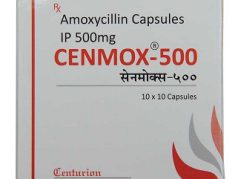
The most commonly prescribed antibiotics in Australia include amoxicillin for respiratory and urinary tract infections, flucloxacillin for skin and soft tissue infections, and benzylpenicillin for serious bacterial infections. These are generally well-tolerated but require allergy screening.
Cephalexin and cefaclor are broad-spectrum antibiotics effective against many gram-positive and gram-negative bacteria, commonly used for skin, respiratory, and urinary tract infections.
Erythromycin, azithromycin, and clarithromycin are excellent alternatives for patients with penicillin allergies, particularly effective against respiratory tract infections and atypical bacteria.
Tetracyclines like doxycycline treat acne and tick-borne diseases, whilst quinolones such as ciprofloxacin and norfloxacin are reserved for specific urinary and gastrointestinal infections. Sulfonamide-trimethoprim combinations effectively treat urinary tract infections and certain pneumonias.
All antibiotics in Australia require a prescription from a registered medical practitioner and must comply with TGA safety standards.
Antibiotics are prescribed to treat a wide range of bacterial infections affecting different parts of the body. Understanding when these medications are appropriate helps ensure proper treatment and recovery.
Bacterial respiratory infections such as pneumonia, bronchitis, and sinusitis are commonly treated with antibiotics. These conditions often develop after viral infections or in individuals with compromised immune systems. Symptoms may include persistent cough, difficulty breathing, chest pain, and thick, coloured mucus.
Antibiotics effectively treat various bacterial infections throughout the body:
Always consult a healthcare provider for proper diagnosis before taking antibiotics. Symptoms persisting beyond a few days, high fever, severe pain, or worsening conditions warrant immediate medical attention. Remember, antibiotics don't treat viral infections like common colds or flu.
Antibiotic resistance occurs when bacteria develop the ability to survive treatments that once effectively eliminated them. This growing public health concern makes infections harder to treat, leading to longer illnesses, increased healthcare costs, and potentially life-threatening complications.
Misuse and overuse of antibiotics accelerate resistance development. Taking antibiotics when not needed, stopping treatment early, or using incorrect doses allows bacteria to adapt and survive. Australia's national antimicrobial resistance strategy emphasises the critical importance of appropriate antibiotic use.
To use antibiotics responsibly, always take them exactly as prescribed by your healthcare provider, complete the full course even if you feel better, and never share antibiotics with others or save leftover doses. Trust your doctor's expertise in determining whether antibiotics are necessary for your condition, as they consider factors like symptom severity, infection type, and individual health circumstances when making prescribing decisions.
Understanding potential side effects and safety considerations is crucial when taking antibiotics. Whilst these medications are generally safe and well-tolerated, being aware of possible reactions helps ensure proper use and enables early recognition of any concerning symptoms.
Most antibiotic side effects are mild and temporary. The most frequently reported side effects include nausea, diarrhoea, and stomach upset. These gastrointestinal symptoms occur because antibiotics can disrupt the natural balance of bacteria in your digestive system. Taking antibiotics with food often helps reduce stomach irritation, though some medications specifically require an empty stomach for optimal absorption.
Allergic reactions to antibiotics can range from mild skin rashes to severe, life-threatening conditions. Seek immediate medical attention if you experience difficulty breathing, swelling of the face, lips, tongue, or throat, severe skin reactions, or rapid pulse. Penicillin allergies are among the most common, which is why it's essential to inform your pharmacist and doctor of any known drug allergies.
Antibiotics can interact with various medications, potentially reducing effectiveness or increasing side effects. Common interactions include:
Pregnant and breastfeeding women require careful antibiotic selection. Many antibiotics are safe during pregnancy and breastfeeding, but some should be avoided. Your pharmacist can provide guidance on safe options and timing considerations. Additionally, antibiotics may increase the risk of thrush in women, and your pharmacist can recommend appropriate preventative measures.
Children require special dosing considerations based on weight and age. Some antibiotics are not suitable for children under certain ages. Liquid formulations are often available for young children who cannot swallow tablets. Always use the measuring device provided with liquid antibiotics to ensure accurate dosing.
Antibiotics can disrupt beneficial gut bacteria, potentially leading to digestive issues or secondary infections. Your pharmacist may recommend probiotics to help maintain gut health during and after antibiotic treatment. These should be taken at least two hours apart from antibiotic doses.
Proper storage ensures antibiotic effectiveness and safety. Most antibiotics should be stored at room temperature, away from moisture and heat. Liquid antibiotics often require refrigeration. Never use expired antibiotics, as they may be less effective or potentially harmful. Return unused antibiotics to your pharmacy for safe disposal.
In Australia, antibiotics are prescription-only medicines, ensuring appropriate use under professional medical supervision. Understanding the prescription process and available pharmacy services helps you access these essential medications safely and efficiently.
All antibiotics in Australia require a valid prescription from a registered medical practitioner. Many common antibiotics are listed on the Pharmaceutical Benefits Scheme (PBS), significantly reducing costs for patients. Concession cardholders, including pensioners and healthcare cardholders, receive further discounts. Your pharmacist can explain PBS eligibility and any applicable safety net benefits that may further reduce your medication costs throughout the year.
Australian community pharmacists play a vital role in antibiotic therapy management. They verify prescription accuracy, check for drug interactions, and ensure appropriate dosing. Pharmacists are qualified to answer questions about your antibiotic treatment, provide dosing schedules, and offer advice on managing side effects. Their expertise extends to identifying when you should contact your doctor about treatment concerns.
Comprehensive medication counselling is a cornerstone of Australian pharmacy practice. Your pharmacist will explain proper dosing, timing, food requirements, and potential side effects. They provide practical advice on completing the full course, even if symptoms improve, and discuss what to do if you miss a dose. This personalised guidance helps ensure optimal treatment outcomes and reduces the risk of antibiotic resistance.
Modern Australian pharmacies offer various services to improve antibiotic access:
Many Australian pharmacies provide complementary services that support infection prevention and overall health. These include vaccination services for preventable infections, health screening programs, and wound care advice. Some pharmacies offer minor ailment consultations, helping determine when antibiotic treatment might be necessary and facilitating appropriate medical referrals.
Your pharmacist is an accessible healthcare professional who can address various antibiotic-related concerns. Contact your pharmacy if you experience unexpected side effects, have questions about drug interactions, need advice on missed doses, or want to discuss over-the-counter options for symptom relief. They can also provide guidance on when symptoms warrant medical review and help coordinate care with your doctor when necessary.