Fungal infections are caused by microscopic organisms that thrive in warm, moist environments and can affect various parts of the body including skin, nails, and mucous membranes. In Australia's humid climate, these infections are particularly common, especially during warmer months when conditions favour fungal growth.
Common fungal infections affecting Australians include athlete's foot, ringworm, thrush, nail fungus, and jock itch. These conditions can cause symptoms such as itching, burning, scaling, and discomfort. It's important to seek treatment promptly when symptoms persist for more than a few days or worsen, as untreated infections can spread or become chronic.
Antifungal medications work by either killing fungi or preventing their growth and reproduction. Treatment options include topical applications like creams and sprays for localised infections, or oral medications for more severe or widespread conditions. The choice between topical and oral treatments depends on the infection's location, severity, and extent.
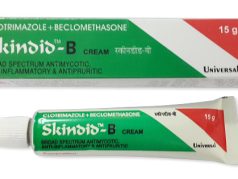
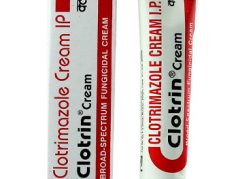
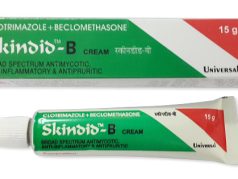
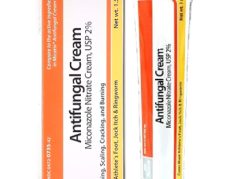
Topical antifungal products are the first-line treatment for most superficial fungal infections, available as creams, ointments, lotions, sprays, and powders. These formulations allow direct application to affected areas, providing targeted relief with minimal systemic absorption.
Leading brands available in Australian pharmacies include:
These treatments are highly effective for athlete's foot, ringworm, and jock itch when applied consistently. Most topical antifungals should be applied twice daily to clean, dry skin, extending slightly beyond the infected area. Treatment typically continues for 2-4 weeks, often continuing for one week after symptoms disappear to prevent recurrence. Many combination products include additional ingredients like hydrocortisone for inflammation relief or zinc oxide for moisture protection.
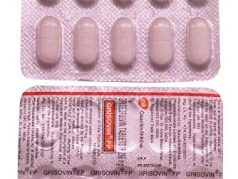
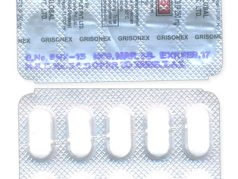
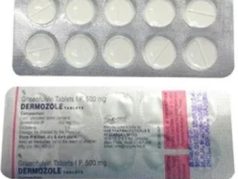
Oral antifungal medications provide systemic treatment for fungal infections that cannot be adequately treated with topical preparations. In Australia, these prescription medicines are essential for treating severe or widespread fungal infections, offering effective relief when applied treatments are insufficient.
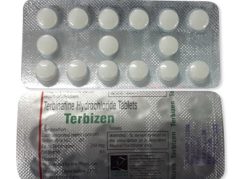
Australian pharmacies stock a comprehensive range of oral antifungal medications prescribed by healthcare professionals. These systemic treatments are particularly effective for infections that have spread beyond the skin's surface or are resistant to topical treatments. The most commonly prescribed oral antifungals include fluconazole, terbinafine, and itraconazole, each targeting specific types of fungal infections.
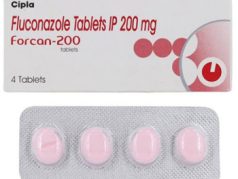
Fluconazole is widely prescribed across Australia for treating various fungal infections, particularly oral and vaginal thrush. This versatile antifungal medication effectively targets Candida species and is often prescribed as a single-dose treatment for uncomplicated vaginal thrush. For more severe or recurrent infections, healthcare providers may recommend longer treatment courses to ensure complete eradication of the fungal infection.
Terbinafine represents the gold standard treatment for nail fungal infections (onychomycosis) in Australia. This oral medication penetrates the nail bed effectively, providing superior results compared to topical treatments for nail fungus. Treatment typically requires several months due to the slow growth rate of healthy nails, but terbinafine offers excellent cure rates for persistent nail infections.
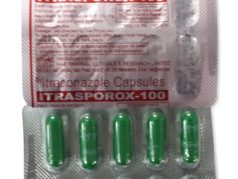
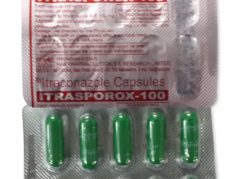
Itraconazole is prescribed for more serious fungal infections that require intensive systemic treatment. Australian doctors often recommend this broad-spectrum antifungal for severe skin infections, certain types of nail fungus, and systemic fungal infections. The medication requires careful monitoring due to potential drug interactions and side effects.
Healthcare professionals in Australia recommend oral antifungal treatment in several specific circumstances:
All oral antifungal medications in Australia require a prescription from a registered healthcare provider. During consultation, doctors assess the infection severity, review medical history, and consider potential drug interactions. Some oral antifungals require liver function monitoring, particularly for extended treatment courses. Patients should discuss any existing medical conditions and current medications to ensure safe prescription of oral antifungal therapy.
Vaginal antifungal products provide targeted relief for thrush and yeast infections, offering women across Australia effective over-the-counter and prescription treatment options. These specialised formulations are designed to address the unique environment of vaginal infections while minimising systemic exposure.
Vaginal thrush affects millions of Australian women annually, with symptoms including itching, burning, and abnormal discharge. Modern antifungal treatments available in Australian pharmacies provide rapid relief and effective cure rates. These medications work by targeting the Candida albicans fungus that commonly causes vaginal yeast infections, restoring the natural vaginal environment.
Australian pharmacies offer multiple formats for vaginal antifungal treatment to suit individual preferences and needs. Pessaries provide direct vaginal application with sustained local action, while oral tablets offer convenience for women preferring systemic treatment. Combination packs include both internal treatment and external cream for comprehensive symptom relief, addressing both vaginal infection and external irritation simultaneously.
Treatment duration varies based on infection severity and product formulation. Single-dose treatments offer maximum convenience and excellent compliance rates, perfect for busy Australian lifestyles. Multi-day treatments provide sustained antifungal action and may be preferred for recurrent infections or when symptoms are particularly severe. Both options demonstrate excellent efficacy when used as directed.
Several trusted antifungal brands dominate the Australian market, each offering proven effectiveness for vaginal infections:
Preventing vaginal thrush involves maintaining proper hygiene, wearing breathable cotton underwear, and avoiding irritating products. Australian healthcare providers recommend probiotics, dietary modifications, and lifestyle changes for women experiencing recurrent infections. For persistent cases, longer antifungal courses or maintenance therapy may be necessary, requiring professional medical guidance to identify underlying causes and develop appropriate management strategies.
Nail fungus infections, medically known as onychomycosis, require targeted antifungal treatments specifically formulated to penetrate the nail plate and reach the infection site. These stubborn infections affect millions of Australians and can be particularly challenging to treat due to the nail's protective barrier that prevents many medications from reaching the fungal organisms underneath.
Topical nail lacquers and solutions represent the first-line treatment for mild to moderate nail fungus infections. Popular brands available in Australian pharmacies include Loceryl (amorolfine) and Curanail (amorolfine), which are applied directly to the affected nail like nail polish. These treatments work by creating a protective film that allows the active ingredient to penetrate the nail over time, gradually eliminating the fungal infection from within.
For severe or widespread nail fungus infections, oral antifungal medications may be necessary. These prescription medicines work systemically, reaching the nail through the bloodstream. Treatment typically requires close monitoring by a healthcare professional due to potential side effects and the need for regular blood tests to ensure liver function remains normal throughout the treatment period.
Nail fungus treatment requires considerable patience, as fingernails typically take 6 months to clear completely, whilst toenails may require 12-18 months of treatment. Visible improvement usually becomes apparent after 3-6 months of consistent treatment. The slow progress is due to the time needed for healthy, uninfected nail to grow out and replace the infected portion.
Preventing reinfection is crucial for long-term success. Key prevention strategies include keeping feet dry, wearing breathable footwear, changing socks daily, avoiding walking barefoot in public areas like swimming pools and gyms, and maintaining good nail hygiene. Regular use of antifungal powders or sprays in shoes can also help prevent recurrence.
Whilst mild infections may respond to over-the-counter treatments, moderate to severe nail fungus often requires professional medical intervention. Podiatrists and GPs can provide prescription-strength treatments and may recommend combination therapies for optimal results. Some cases may benefit from professional nail debridement or laser therapy in conjunction with topical or oral medications.
Most topical antifungal treatments are well-tolerated with minimal side effects. However, some users may experience local skin irritation, redness, or allergic reactions at the application site. Oral antifungal medications may cause more significant side effects, including:
Antifungal medications can interact with various other medicines, particularly oral formulations. It's essential to inform your pharmacist or doctor about all medications, including over-the-counter drugs and herbal supplements, before starting antifungal treatment. Some antifungals may affect blood-thinning medications, certain heart medicines, and other prescription drugs, potentially altering their effectiveness or increasing side effect risks.
Store antifungal medications in a cool, dry place away from direct sunlight and moisture. Most products should be kept at room temperature and away from bathroom medicine cabinets where humidity levels fluctuate. Always check expiry dates before use and dispose of expired medications safely through your local pharmacy's disposal programme. Keep all medications out of reach of children and pets.
Seek professional medical advice if you experience severe side effects, if your infection worsens despite treatment, or if you develop signs of secondary bacterial infection such as increased pain, swelling, or discharge. Additionally, individuals with diabetes, compromised immune systems, or circulation problems should always consult a healthcare professional before self-treating fungal infections.
Pregnant and breastfeeding women should consult their doctor before using any antifungal medications, as some treatments may not be suitable during pregnancy or whilst nursing. For children, dosages and treatment options may differ from adult recommendations, and many oral antifungal medications are not approved for paediatric use. Always follow age-specific guidelines and seek professional advice for treating fungal infections in children.
The most critical factor in successful antifungal treatment is completing the entire prescribed course, even after symptoms appear to have resolved. Stopping treatment prematurely often leads to treatment failure and recurrence of the infection. This is because fungal organisms may still be present even when visible symptoms have improved. Follow your pharmacist's or doctor's instructions precisely regarding treatment duration and application frequency for optimal results.