Antiviral medications are specialised drugs designed to treat viral infections by targeting specific stages of the viral life cycle. Unlike broad-spectrum treatments, antivirals work by either preventing viruses from entering cells, blocking viral replication, or stopping the release of new viral particles from infected cells. These medications don't cure viral infections but significantly reduce symptoms, shorten illness duration, and prevent complications when administered promptly after infection onset.
Antivirals specifically target viruses and are completely ineffective against bacterial infections, unlike antibiotics which only treat bacterial conditions. While antibiotics kill bacteria or prevent their growth, antivirals interfere with viral reproduction processes. Pain relievers and decongestants merely manage symptoms, whereas antivirals address the underlying viral infection. This targeted approach makes antivirals essential for treating serious viral conditions like influenza, herpes, and hepatitis.
Australian healthcare providers commonly prescribe antivirals for several viral infections including seasonal influenza, cold sores caused by herpes simplex virus, shingles from varicella-zoster virus, and chronic hepatitis B. Other conditions include cytomegalovirus in immunocompromised patients and respiratory syncytial virus in vulnerable populations. The choice of antiviral depends on the specific virus type and patient circumstances.
Australian doctors typically prescribe antivirals within 48 hours of symptom onset for maximum effectiveness, particularly for high-risk patients including elderly individuals, pregnant women, young children, and those with chronic conditions like asthma, diabetes, or compromised immune systems.
Australia offers several PBS-subsidised antiviral options for treating seasonal influenza, primarily targeting influenza A and B strains. These medications are most effective when started within 48 hours of symptom onset and are particularly recommended for high-risk patients or those with severe symptoms requiring hospitalisation.
Oseltamivir, commonly known as Tamiflu, is an oral antiviral medication available through Australian pharmacies with a prescription. For adults, the standard treatment dose is 75mg twice daily for five days, while children receive weight-based dosing. It's also used for prevention in high-risk individuals following exposure. Tamiflu is PBS-listed for eligible patients and reduces flu duration by 1-2 days when taken promptly. Side effects may include:
Zanamivir, marketed as Relenza, is administered via a special inhaler device called a Diskhaler, delivering powder directly to the respiratory system. The standard dose is 10mg twice daily for five days. This medication is particularly suitable for patients who cannot tolerate oral medications but is not recommended for individuals with respiratory conditions like asthma or COPD due to potential bronchospasm risks.
Herpes simplex virus type 1 (HSV-1) typically causes cold sores around the mouth and lips, whilst herpes simplex virus type 2 (HSV-2) primarily affects the genital area. Both viruses can cause painful blisters, tingling sensations, and recurring outbreaks. Symptoms may include fever, swollen lymph nodes, and general discomfort during initial infections, with subsequent episodes usually being milder and shorter in duration.
Aciclovir is the most commonly prescribed antiviral medication for herpes infections in Australia. Available as both tablets and topical creams, aciclovir works by inhibiting viral DNA replication. Tablets are typically taken 5 times daily for initial outbreaks or 2-3 times daily for suppressive therapy. Topical aciclovir cream can be applied directly to affected areas and is available over-the-counter for cold sore treatment. Early treatment initiation provides the best outcomes for reducing symptom severity and outbreak duration.
Valaciclovir, marketed as Valtrex in Australia, is a prodrug of aciclovir that offers improved bioavailability and more convenient dosing. It's particularly effective for episodic treatment and suppressive therapy of both oral and genital herpes. The medication typically requires fewer daily doses compared to aciclovir, with standard regimens being twice daily for treatment or once daily for suppression. Valaciclovir requires a prescription and is often preferred for patients with frequent recurrences.
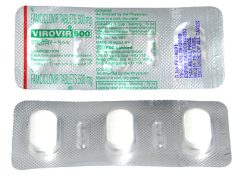
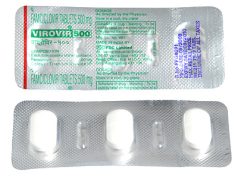
Famciclovir provides another effective treatment option for herpes infections, offering convenient once or twice-daily dosing schedules. Available only by prescription in Australia, famciclovir is particularly useful for patients who cannot tolerate other antivirals or require alternative therapy. It's effective for both episodic treatment and suppressive therapy of recurrent herpes outbreaks.
Over-the-counter options include topical aciclovir creams and various symptom-relief products. Prescription medications offer stronger formulations and systemic treatment options, providing more comprehensive management for severe or frequent outbreaks. Consultation with a healthcare professional helps determine the most appropriate treatment approach.
Australia currently has several antiviral treatments available for COVID-19 management through the Therapeutic Goods Administration (TGA). These medications are specifically designed for eligible patients at higher risk of severe illness. Access to these antivirals is typically coordinated through healthcare providers, pharmacies, and designated COVID-19 care clinics. Treatment effectiveness is optimal when initiated within the first few days of symptom onset or positive testing.
Paxlovid combines nirmatrelvir and ritonavir to reduce viral replication in COVID-19 patients. In Australia, it's available for adults and adolescents at higher risk of severe COVID-19 outcomes. Eligible patients include those who are immunocompromised, over 70 years old, or have specific underlying health conditions. The treatment course involves taking tablets twice daily for five days, ideally starting within five days of symptom onset. Healthcare providers assess drug interactions before prescribing due to ritonavir's effects on other medications.
Lagevrio (molnupiravir) offers an alternative COVID-19 antiviral treatment for eligible Australian patients. It's prescribed for adults at higher risk of severe illness who cannot access or tolerate other treatments. Patient criteria include being immunocompromised, aged over 60 with risk factors, or having specific chronic conditions. The medication is taken orally twice daily for five days, with treatment most effective when commenced early in the infection course.
Chronic hepatitis B and C infections require specialised antiviral treatments available through Australian hospitals and specialist clinics. Direct-acting antivirals (DAAs) for hepatitis C offer cure rates exceeding 95%, whilst hepatitis B treatments include nucleoside analogues like entecavir and tenofovir. These medications are typically prescribed by gastroenterologists or infectious disease specialists and may require regular monitoring of liver function and viral loads. Many of these treatments are subsidised under the PBS for eligible patients meeting specific clinical criteria.
Viral conjunctivitis, particularly caused by adenovirus, may benefit from antiviral eye drops in severe cases. Ganciclovir eye gel is occasionally prescribed for resistant viral eye infections, though most viral conjunctivitis resolves without specific antiviral treatment. These specialised eye preparations require prescription and careful application as directed by your ophthalmologist or GP, with proper hand hygiene essential to prevent spread.
Shingles requires prompt antiviral treatment within 72 hours of rash onset for maximum effectiveness. Prescription antivirals including aciclovir, valaciclovir, and famciclovir can reduce pain duration and prevent complications like post-herpetic neuralgia. Treatment typically lasts 7-10 days, with higher doses than those used for cold sores. Early treatment is particularly crucial for patients over 50 years or those with compromised immune systems to minimise long-term nerve pain complications.
Certain severe viral infections require intravenous antivirals administered in hospital settings. These include cidofovir for cytomegalovirus, foscarnet for resistant herpes infections, and remdesivir for severe COVID-19 cases. These medications require careful monitoring for side effects and are reserved for serious infections where oral alternatives are ineffective or contraindicated.
Antiviral medications can cause various side effects depending on the specific drug. Common reactions include nausea, headache, and dizziness with oral antivirals, whilst topical preparations may cause local irritation. Important drug interactions can occur, particularly with medications affecting kidney function or those metabolised by the liver. Some antivirals may interact with blood thinners, immunosuppressants, or other prescription medications. Always inform your pharmacist of all medications and supplements you're taking to avoid potentially harmful interactions and ensure safe, effective treatment.
Most oral antivirals should be stored at room temperature away from moisture and heat, whilst some liquid formulations require refrigeration. Eye drops and topical preparations have specific storage requirements and limited shelf-life once opened. Always check expiry dates and never share antiviral medications with others, as dosing varies based on individual factors and medical conditions.
Seek immediate advice if you experience severe side effects, allergic reactions, or if symptoms worsen during treatment. Contact your healthcare provider if you miss multiple doses or if new symptoms develop. Your pharmacist can provide guidance on timing doses, managing minor side effects, and potential interactions. For conditions like shingles or severe flu, early medical consultation is crucial as antiviral effectiveness decreases significantly when treatment is delayed beyond the optimal timeframe.
Many prescription antivirals are listed on the Pharmaceutical Benefits Scheme (PBS), making them affordable for Australian patients. Coverage varies depending on the specific indication and patient circumstances. Some medications require specialist prescription or authority approval. Your pharmacist can advise on PBS eligibility and private prescription costs for non-subsidised options.