Asthma is a chronic respiratory condition affecting the airways in your lungs, causing them to become inflamed, narrow, and produce excess mucus. This makes breathing difficult and can trigger coughing, wheezing, and shortness of breath. In Australia, asthma affects approximately 2.7 million people, making it one of the most common long-term health conditions in the country.
There are several types of asthma that Australians may experience:
Australian environmental triggers include bushfire smoke, high pollen counts during spring, dust storms, and extreme weather changes. Common symptoms include persistent coughing (especially at night), wheezing, chest tightness, and difficulty breathing. Seek immediate medical attention if you experience severe breathing difficulties, cannot speak in full sentences due to breathlessness, or if your reliever medication isn't providing relief. Regular symptoms warrant a consultation with your GP or pharmacist for proper asthma management.
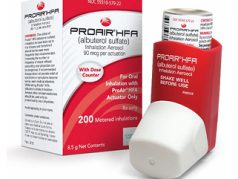
Reliever medications, also known as bronchodilators, are essential for managing asthma symptoms when they occur. These medicines work by relaxing the muscles around your airways, making breathing easier within minutes of use.
The most commonly prescribed reliever medications in Australia include:
These medications provide rapid relief by opening your airways within 5-15 minutes and lasting for 3-6 hours. Proper inhaler technique is crucial for effectiveness - shake the inhaler, breathe out fully, place lips firmly around the mouthpiece, press down whilst breathing in slowly and deeply, then hold your breath for 10 seconds.
Use your reliever when you experience asthma symptoms or before exercise if you have exercise-induced asthma. If you're using your reliever more than twice a week, consult your doctor as this may indicate your asthma isn't well controlled and you might need preventer medication.
Preventer medications are the cornerstone of effective asthma management in Australia, designed to reduce airway inflammation and prevent asthma symptoms from occurring. These controller therapies must be taken daily, even when you're feeling well, to maintain optimal asthma control and reduce the risk of severe attacks.
Inhaled corticosteroids are the most effective preventer medications available and are considered first-line treatment for persistent asthma. These anti-inflammatory medicines work directly in the airways to reduce swelling and mucus production. In Australia, several ICS options are available on the PBS:
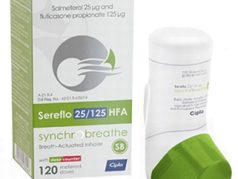
LABAs provide long-lasting bronchodilation and are typically combined with corticosteroids for enhanced asthma control. Popular combination therapies available in Australia include Symbicort and Seretide, which offer both anti-inflammatory and bronchodilator effects in a single inhaler. Remember, consistent daily use of preventer medications is essential for maintaining asthma control and preventing exacerbations.
Choosing the right inhaler device is crucial for effective asthma medication delivery. Different devices suit different patients based on age, dexterity, and breathing capacity. Proper inhaler technique ensures maximum medication reaches your airways for optimal therapeutic benefit.
MDIs are pressurised devices that deliver a measured dose of medication with each actuation. They require coordination between pressing the canister and breathing in slowly and deeply. Many Australians benefit from using a spacer device with their MDI to improve medication delivery and reduce side effects.
These breath-activated devices don't require the coordination needed with MDIs. Popular options in Australia include:
Spacer devices significantly improve medication delivery from MDIs and reduce oral thrush risk. Regular cleaning with warm soapy water and air-drying helps maintain device effectiveness. Your pharmacist can demonstrate proper inhaler technique and provide device-specific cleaning instructions to ensure optimal asthma management.
Prednisolone is a powerful corticosteroid medication used to treat severe asthma flare-ups when your usual reliever medications aren't providing adequate control. These oral tablets work by reducing inflammation in your airways and are typically prescribed as a short course during acute episodes. Your doctor will determine the appropriate dosage and duration based on the severity of your symptoms. It's important to take prednisolone exactly as prescribed and complete the full course, even if you start feeling better.
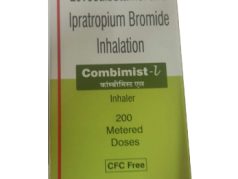
Ipratropium bromide, commonly known by the brand name Atrovent, is a bronchodilator that works differently from your standard reliever inhaler. It's particularly effective during severe asthma attacks and is often used in hospital settings or as prescribed by your GP for emergency situations. This medication helps relax the muscles around your airways and can be used alongside your salbutamol inhaler when additional bronchodilation is needed.
Being able to identify severe asthma symptoms is crucial for your safety and can be life-saving. Watch for these warning signs that indicate you need immediate medical attention:
An asthma action plan is your personalised guide developed with your doctor or asthma educator that outlines how to manage your condition day-to-day and during emergencies. This written plan uses a traffic light system - green for good control, yellow for caution, and red for danger - making it easy to understand what action to take based on your symptoms or peak flow readings. Every person with asthma should have an up-to-date action plan and ensure family members understand how to follow it.
Don't hesitate to call 000 immediately if you or someone with asthma experiences severe symptoms that don't respond to usual treatments. Call emergency services if the person cannot speak in sentences, has blue lips or face, is using accessory muscles to breathe, or if their reliever medication isn't helping. Remember, it's always better to seek help early rather than wait for symptoms to worsen.
During severe asthma episodes, hospital treatment may include nebuliser therapy, which delivers medication directly to your lungs through a mask or mouthpiece. Nebulisers can administer higher doses of bronchodilators and are often more effective than inhalers during acute attacks. Hospital staff may also provide oxygen therapy, intravenous medications, and close monitoring until your condition stabilises.
Peak flow meters are simple, portable devices that measure how fast you can blow air out of your lungs, providing an objective measure of your lung function. Regular monitoring with a peak flow meter can help you detect early signs of an asthma flare-up, often before symptoms become noticeable. Use your peak flow meter at the same time each day and record the readings to track patterns and share with your healthcare provider.
Spacer devices are essential accessories that improve the effectiveness of your reliever and preventer inhalers. These devices slow down the medication particles and make it easier to inhale the full dose into your lungs rather than having it stick to your mouth and throat. For children or those who have difficulty coordinating their breathing with inhaler activation, spacers with masks ensure proper medication delivery and are recommended by Australian asthma guidelines.
Since allergies often trigger asthma symptoms, managing your allergic reactions is an important part of asthma control. Anti-allergy products including antihistamines, nasal sprays, and eye drops can help reduce your exposure to triggers like pollen, dust mites, and pet dander. Speak with your pharmacist about which allergy management products might be suitable for your specific triggers and how they can complement your asthma treatment plan.
Creating an asthma-friendly environment at home can significantly reduce your symptoms and the frequency of flare-ups. Air purifiers with HEPA filters can help remove airborne allergens and irritants from your living space. Consider dust mite covers for bedding, regular vacuuming with HEPA filters, maintaining low humidity levels, and ensuring good ventilation to minimise exposure to common asthma triggers.
While prescription medications remain the cornerstone of asthma treatment, some people find complementary approaches helpful as part of their overall management strategy. These may include breathing exercises, gentle yoga, and certain vitamins or supplements. However, it's crucial to discuss any complementary treatments with your doctor or pharmacist before starting them, as they should never replace your prescribed asthma medications.
Effective asthma management requires a team approach involving your GP, pharmacist, and potentially an asthma educator or respiratory specialist. Regular check-ups allow your healthcare team to assess your control, adjust medications if needed, and ensure you're using your inhalers correctly. Your pharmacist can provide valuable support with medication reviews, inhaler technique training, and advice on managing your condition between doctor visits.
Asthma Australia offers extensive resources and support services to help you better understand and manage your condition. Their website provides evidence-based information, educational materials, and tools such as asthma action plan templates. You can also access their 1800 ASTHMA helpline for professional advice and support from trained asthma educators who understand the unique challenges of living with asthma in the Australian environment.