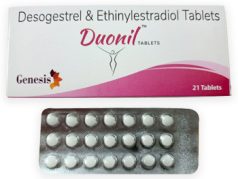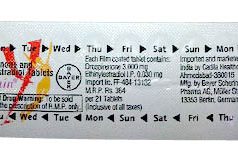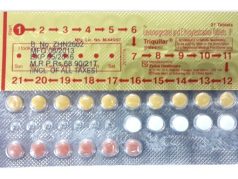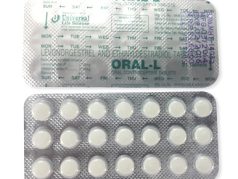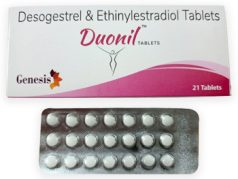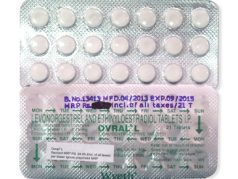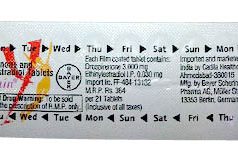
Combined oral contraceptive pills contain both oestrogen and progestogen hormones, working together to prevent ovulation whilst thickening cervical mucus to block sperm. These pills are highly effective when taken consistently, with a success rate of over 99% when used correctly.
Mini-pills contain only progestogen and are suitable for women who cannot take oestrogen due to medical conditions or breastfeeding. They work primarily by thickening cervical mucus and altering the uterine lining to prevent pregnancy.
Popular brands available in Australia include:
All oral contraceptives require daily administration at approximately the same time each day. A prescription from a GP is mandatory, along with regular health check-ups to monitor suitability and any potential side effects. Your doctor will assess your medical history and lifestyle to determine the most appropriate formulation.
IUDs offer long-term contraceptive protection with the Mirena (hormonal) lasting up to five years and the Copper T (non-hormonal) effective for up to ten years. The Mirena releases levonorgestrel locally, often reducing menstrual bleeding, whilst the Copper T uses copper ions to prevent fertilisation.
Implanon NXT is a single-rod implant inserted under the skin of the upper arm, providing three years of contraceptive protection through continuous progestogen release. This method is over 99% effective and suitable for women seeking long-term, reversible contraception.
LARC methods require insertion by trained healthcare providers and are particularly suitable for:
Whilst initial costs may be higher, LARC methods prove economical over their duration of use, often covered partially by Medicare with additional private health insurance benefits available.
Condoms remain one of the most accessible and effective forms of contraception available in Australia. Male condoms are widely available over-the-counter at pharmacies, supermarkets, and convenience stores, whilst female condoms provide an alternative option for those seeking female-controlled barrier protection. Both types offer excellent protection against unplanned pregnancy when used correctly and consistently.
Diaphragms and cervical caps are reusable barrier methods that require proper fitting by a healthcare professional. These dome-shaped devices are inserted into the vagina before intercourse and work by covering the cervix to prevent sperm from entering the uterus. When used with spermicidal gel, they can be highly effective contraceptive options for women seeking hormone-free birth control.
Spermicidal creams, gels, and foams contain active ingredients that immobilise sperm and are often used in conjunction with barrier methods to enhance contraceptive effectiveness. These products are available over-the-counter at Australian pharmacies and can be used alone or combined with diaphragms, cervical caps, or condoms for added protection.
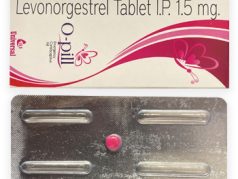
Emergency contraception is available in Australia through two main options: Postinor (levonorgestrel) and EllaOne (ulipristal acetate). Postinor is available over-the-counter at pharmacies without prescription, whilst EllaOne requires a prescription from a doctor or qualified pharmacist. Both medications work by preventing or delaying ovulation when taken after unprotected intercourse.
The effectiveness of emergency contraception depends significantly on timing:
Barrier methods, particularly condoms, offer the unique advantage of dual protection against both sexually transmitted infections (STIs) and unplanned pregnancy. This makes them an essential choice for individuals with multiple partners or those in new relationships where STI status may be unknown. No other contraceptive method provides this dual protection.
Many barrier and emergency contraceptive options are readily available without prescription in Australian pharmacies. This includes male and female condoms, spermicidal products, and Postinor emergency contraception. This accessibility ensures that individuals can obtain protection promptly when needed, without the delay of booking medical appointments.
The Evra contraceptive patch offers a convenient weekly application method for hormonal birth control. This thin, beige patch is applied to clean, dry skin and releases hormones continuously through the skin into the bloodstream. Each patch is worn for seven days and replaced weekly for three consecutive weeks, followed by one patch-free week.
NuvaRing is a flexible, transparent vaginal ring that provides continuous contraceptive protection for three weeks. The ring is inserted into the vagina where it releases a steady dose of hormones. After three weeks, the ring is removed for a one-week break, during which withdrawal bleeding typically occurs. NuvaRing offers the convenience of monthly rather than daily administration.
Depo-Provera is a long-acting injectable contraceptive administered every three months by a healthcare professional. This progestin-only method provides highly effective pregnancy prevention and may be suitable for women who cannot use oestrogen-containing contraceptives. The injection offers the convenience of quarterly visits rather than daily pill-taking.
Different hormonal methods require varying administration schedules:
Hormonal contraceptives contain either a combination of oestrogen and progestin or progestin alone. Combination methods include patches and rings, whilst injection methods typically contain only progestin. The hormone doses and types vary between products, allowing healthcare providers to select the most appropriate option based on individual health profiles and contraceptive needs.
All hormonal contraceptives may cause side effects, though these vary between individuals and methods. Common side effects can include changes in menstrual bleeding patterns, breast tenderness, mood changes, and weight fluctuation. Certain medical conditions, such as history of blood clots, liver disease, or certain cancers, may contraindicate the use of hormonal contraceptives. Consultation with a healthcare provider is essential to determine the most suitable option for individual circumstances.
Natural family planning (NFP) and fertility awareness methods offer hormone-free alternatives for both preventing and achieving pregnancy. These methods rely on understanding your menstrual cycle and identifying fertile periods through various natural indicators.
Cycle tracking involves monitoring your menstrual cycle patterns over several months to identify fertile and infertile periods. This method requires keeping detailed records of cycle length, menstrual flow, and other fertility signs. Modern smartphone apps can assist with tracking, though manual charting remains the gold standard for accuracy.
Basal body temperature (BBT) monitoring involves taking your temperature each morning before getting out of bed. A slight temperature rise indicates ovulation has occurred. This method requires a special basal thermometer and consistent daily measurements at the same time each morning for reliable results.
The cervical mucus method involves daily observation of cervical secretions throughout your cycle. Fertile mucus appears clear, stretchy, and similar to raw egg white, while infertile periods produce thicker, cloudier mucus or no discharge. This natural indicator helps identify your most fertile days.
Ovulation prediction kits detect hormonal changes in urine to predict ovulation, whilst fertility apps combine multiple tracking methods for enhanced accuracy. These tools can supplement natural observation methods but work best when combined with other fertility awareness techniques for comprehensive cycle understanding.
When used correctly and consistently, fertility awareness methods can be 95-99% effective for preventing pregnancy. However, typical use effectiveness drops to around 76-88%. These methods require significant daily commitment, detailed record-keeping, and several months of observation before reliable use.
Natural family planning suits women with regular cycles, strong commitment to daily monitoring, and partners willing to abstain or use barrier methods during fertile periods. These methods are ideal for those avoiding hormones due to health reasons, religious beliefs, or personal preference.
Selecting the most appropriate contraceptive method is a personal decision that depends on various individual factors. Understanding your options and consulting with healthcare professionals ensures you make an informed choice that suits your unique circumstances and lifestyle.
Your age, medical history, and current health conditions significantly influence contraceptive choices. Younger women may prefer reversible methods, whilst those with certain health conditions might need to avoid hormonal options. Lifestyle factors such as sexual activity frequency, relationship status, and daily routines also impact method suitability.
Contraceptive effectiveness varies significantly between methods. The most effective options include:
Different contraceptive methods carry varying side effect profiles and health benefits. Hormonal methods may cause weight changes, mood effects, or breakthrough bleeding, but can also reduce heavy periods and acne. Copper IUDs may increase menstrual flow initially, whilst barrier methods typically have minimal side effects but require consistent proper use.
Speaking with your GP, gynecologist, or family planning clinic ensures professional guidance tailored to your health profile. Healthcare providers can assess medical contraindications, discuss your preferences, and recommend the most suitable options based on your individual circumstances and health history.
Many contraceptive options receive subsidies through Medicare and the Pharmaceutical Benefits Scheme (PBS) in Australia. Consultations with bulk-billing doctors, subsidised contraceptive pills, and some IUD insertions may be covered or heavily subsidised, making contraception more affordable and accessible.
Changing contraceptive methods requires careful timing and professional guidance to maintain continuous protection. Some transitions can occur immediately, whilst others require overlap periods or temporary barrier method use. Your healthcare provider can create a switching plan that prevents contraceptive gaps and unwanted pregnancy.
Consider your long-term family planning goals when choosing contraception. If you plan to conceive within the next year, highly reversible methods like pills or barrier methods might suit you better. For longer-term contraception, IUDs or implants offer convenience and effectiveness, with fertility typically returning quickly after removal.