Cancer is a complex group of diseases characterised by the uncontrolled growth and spread of abnormal cells throughout the body. When normal cell growth becomes disrupted, these malignant cells can form tumours, invade nearby tissues, and potentially metastasise to other parts of the body, affecting vital organ function and overall health.
In Australia, some of the most commonly diagnosed and treated cancers include:
Modern cancer treatment approaches have evolved significantly, with Australian oncologists employing various therapeutic strategies. Chemotherapy remains a cornerstone treatment, using powerful medications to destroy cancer cells throughout the body. Targeted therapy focuses on specific molecular pathways that cancer cells depend upon for growth, whilst hormone therapy blocks hormones that fuel certain types of cancer, particularly breast and prostate cancers.
Prescription medications play a crucial role in comprehensive cancer management, not only in directly fighting cancer cells but also in managing treatment side effects and supporting patient quality of life. Early detection through regular screening programmes and prompt professional medical consultation significantly improve treatment outcomes and survival rates for Australian cancer patients.
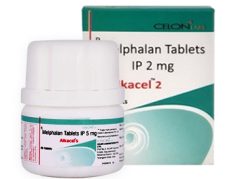
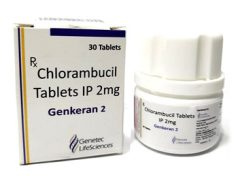
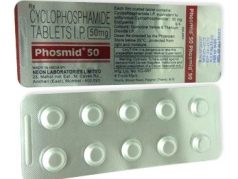
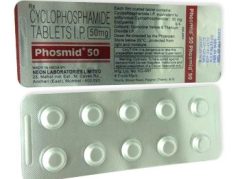
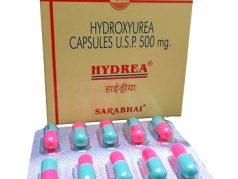
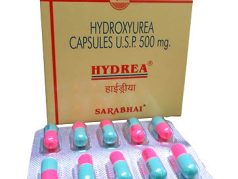
Australian oncologists prescribe a wide range of chemotherapy medications, with selection based on cancer type, stage, and individual patient factors. Commonly prescribed chemotherapy drugs include cyclophosphamide for various blood cancers, carboplatin and cisplatin for solid tumours, doxorubicin for breast cancer and sarcomas, and 5-fluorouracil for colorectal cancers. These medications work by interfering with cancer cell division and DNA replication, ultimately leading to cell death.
Chemotherapy administration methods vary depending on the specific medication and treatment protocol:
Major pharmaceutical companies supplying chemotherapy medications to Australian pharmacies include Roche, Pfizer, Bristol Myers Squibb, and Novartis, amongst others. These medications are typically classified as Schedule 4 prescription medicines, requiring specialist oncologist consultation and ongoing monitoring.
All chemotherapy medications require valid prescriptions from qualified medical practitioners, usually oncologists or haematologists. Australian pharmacies work closely with cancer treatment centres to ensure proper handling, storage, and dispensing of these specialised medications, maintaining strict quality and safety standards throughout the supply chain.
Modern cancer treatment has evolved significantly with the introduction of targeted therapies that attack specific cancer cells whilst minimising damage to healthy tissue. In Australia, patients have access to cutting-edge treatments including tyrosine kinase inhibitors, monoclonal antibodies, and CAR-T cell therapies through specialised oncology centres and accredited pharmacies.
Immunotherapy represents a revolutionary approach to cancer treatment, working by enhancing the body's natural immune system to recognise and destroy cancer cells. These medications, including checkpoint inhibitors like pembrolizumab and nivolumab, have shown remarkable success in treating various cancer types including melanoma, lung cancer, and kidney cancer.
Personalised medicine has transformed cancer care in Australia, with genetic testing now guiding treatment decisions. Pharmacogenomic testing helps identify which patients will respond best to specific therapies, reducing trial-and-error approaches and improving outcomes.
The Pharmaceutical Benefits Scheme (PBS) provides crucial support for cancer patients, with many breakthrough treatments subsidised including:
Australian pharmacists work closely with oncology teams to ensure proper medication management and patient education for these complex therapies.
Hormone therapy plays a crucial role in treating hormone-sensitive cancers, particularly breast and prostate cancers. These treatments work by blocking hormones that fuel cancer growth or by reducing hormone production in the body.
Australian pharmacies stock various hormone therapy medications including tamoxifen, aromatase inhibitors like anastrozole and letrozole for breast cancer, and androgen deprivation therapies such as bicalutamide and goserelin for prostate cancer. These medications are available through both hospital and community pharmacies with appropriate prescriptions.
Hormone blockers work by preventing hormones from binding to cancer cells, whilst hormone modulators alter how these hormones function. Aromatase inhibitors specifically reduce oestrogen production in post-menopausal women, making them highly effective for hormone-receptor-positive breast cancers.
Long-term hormone therapy requires careful monitoring for side effects including bone density changes, cardiovascular risks, and menopausal symptoms. Australian healthcare providers conduct regular assessments including bone scans and cardiac function tests. Pharmacists provide essential support through medication reviews, adherence counselling, and side effect management strategies to optimise treatment outcomes throughout the extended treatment period.
Managing cancer involves more than just treating the disease itself. Supportive care medications play a crucial role in helping patients maintain their quality of life throughout their cancer journey. These medications address the side effects of treatment and help manage symptoms that can significantly impact daily living.
Chemotherapy-induced nausea and vomiting are among the most distressing side effects of cancer treatment. Modern antiemetic medications have revolutionised patient care, with several classes of drugs available including 5-HT3 receptor antagonists like ondansetron, NK1 receptor antagonists such as aprepitant, and corticosteroids like dexamethasone. These medications are often used in combination to provide comprehensive protection against nausea and vomiting.
Effective pain management is essential for maintaining quality of life during cancer treatment. Pain medications range from simple analgesics like paracetamol and NSAIDs for mild pain, to stronger opioid medications such as morphine, oxycodone, and fentanyl for moderate to severe pain. Adjuvant medications including anticonvulsants and antidepressants may also be prescribed to manage neuropathic pain commonly associated with certain chemotherapy agents.
Cancer treatments can lead to various complications that require specific medications. These may include antibiotics for infection prevention, growth factors to stimulate blood cell production, medications to prevent blood clots, and treatments for specific organ toxicities. Proactive management of these complications helps ensure treatment can continue safely and effectively.
Proper nutrition during cancer treatment is vital for maintaining strength and supporting recovery. Nutritional supplements may include high-protein drinks, vitamin and mineral supplements, and specialised formulations designed for cancer patients. Some patients may also benefit from complementary therapies, though these should always be discussed with healthcare providers to ensure they don't interfere with conventional treatments.
Comprehensive medication management significantly impacts a patient's ability to cope with cancer treatment. This includes managing fatigue, addressing sleep disturbances, treating anxiety and depression, and maintaining proper bowel function. Working closely with healthcare providers to optimise supportive care medications can help patients maintain their independence and continue with activities that are important to them.
Australia's healthcare system provides multiple pathways for accessing cancer medications, ensuring patients can receive the treatments they need. Understanding these systems helps patients and families navigate the process more effectively and access appropriate financial support.
Cancer treatment requires close collaboration between oncology specialists, pharmacists, and patients. Oncologists determine the most appropriate treatment protocols, while specialist oncology pharmacists ensure safe dispensing, provide counselling on proper administration, and monitor for drug interactions. Many cancer centres have dedicated pharmacy services that specialise in complex cancer medications and can provide comprehensive support throughout treatment.
The Pharmaceutical Benefits Scheme (PBS) subsidises many cancer medications, making them more affordable for Australian patients. Under the PBS, most patients pay a co-payment of around $31.60 for general patients or $7.70 for concession card holders per prescription. The PBS Safety Net provides additional protection, with further reductions in co-payments once thresholds are reached during a calendar year.
For medications not yet listed on the PBS, several special access schemes are available:
Many pharmaceutical companies offer patient support programmes that can help with accessing newer cancer medications. These programmes may include financial assistance, nursing support, educational resources, and help with administration logistics. Patients should discuss these options with their oncology team to determine eligibility and appropriate access pathways.
Successful cancer treatment depends heavily on taking medications exactly as prescribed. This includes maintaining proper timing, dosing, and duration of treatment cycles. Regular monitoring through blood tests and clinical assessments helps ensure medications are working effectively and allows for prompt management of any side effects. Patients should maintain open communication with their healthcare team about any challenges with medication adherence or concerning symptoms.