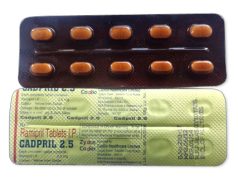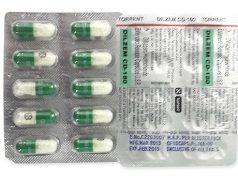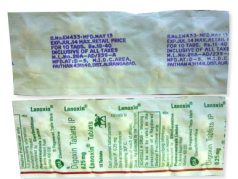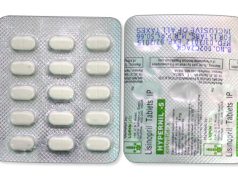
Blood pressure readings consist of two numbers: systolic (top number) representing pressure when the heart beats, and diastolic (bottom number) showing pressure between beats. Normal blood pressure is typically below 120/80 mmHg, whilst readings consistently above 140/90 mmHg indicate hypertension in most adults.
Common risk factors include age, family history, obesity, excessive salt intake, lack of physical activity, smoking, and stress. Hypertension is often called the "silent killer" as it frequently presents no obvious symptoms, making regular monitoring essential for early detection and management.
Effective management includes regular exercise, maintaining healthy weight, reducing sodium intake, limiting alcohol consumption, and stress management. Home blood pressure monitoring with validated devices helps track progress and medication effectiveness.
Cholesterol comprises several components: Low-Density Lipoprotein (LDL or "bad" cholesterol) contributes to arterial plaque buildup, whilst High-Density Lipoprotein (HDL or "good" cholesterol) helps remove cholesterol from arteries. Triglycerides are another type of blood fat that, when elevated, increases cardiovascular risk.
Australian guidelines recommend total cholesterol below 5.5 mmol/L, LDL cholesterol under 3.5 mmol/L for low-risk individuals, and HDL cholesterol above 1.0 mmol/L for men and 1.3 mmol/L for women. Higher-risk patients may require more stringent targets as determined by their healthcare provider.
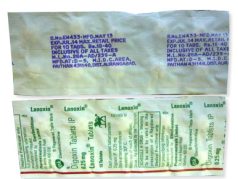
Ezetimibe reduces cholesterol absorption from food, whilst Fenofibrate primarily targets triglycerides and may increase HDL levels. These medications can be used alongside statins when additional cholesterol management is required.
Dietary modifications include increasing soluble fibre intake, choosing lean proteins, incorporating omega-3 fatty acids, and limiting saturated and trans fats. Regular physical activity, maintaining healthy weight, and avoiding smoking significantly contribute to improved cholesterol profiles.
Heart attacks remain one of Australia's leading health concerns, making early recognition of warning signs crucial for survival. Common symptoms include chest pain or discomfort, shortness of breath, pain radiating to the arm, neck, or jaw, and sudden sweating or nausea. However, symptoms can vary between individuals, particularly in women who may experience less typical signs such as fatigue or back pain.
If you suspect a heart attack, immediately call 000 for emergency assistance. Quick action can significantly improve outcomes and reduce heart muscle damage. Emergency treatment typically involves medications to dissolve blood clots and restore blood flow to the heart.
Recovery from a heart attack requires a comprehensive medication regimen tailored to each patient's needs:
Australia offers excellent cardiac rehabilitation programs through public hospitals and private facilities. These programs combine supervised exercise, education, and psychological support. Long-term management includes regular monitoring, lifestyle modifications, and considering family history when developing prevention strategies for relatives.
Atrial fibrillation (AF) is Australia's most common heart rhythm disorder, affecting over 500,000 Australians. This condition causes the heart's upper chambers to beat irregularly and often rapidly, significantly increasing the risk of stroke and other heart-related complications. Early diagnosis and proper management are essential for maintaining quality of life.
AF symptoms can include palpitations, shortness of breath, fatigue, dizziness, and chest discomfort. However, some patients experience no symptoms at all, making regular health check-ups crucial. Diagnosis typically involves ECG testing, which is readily available through Australian healthcare providers including GP clinics and specialist centres.
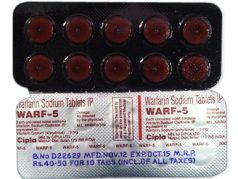
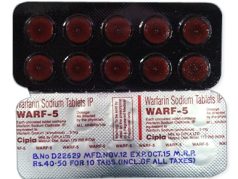
Preventing stroke is the primary concern in AF management. Healthcare providers assess stroke risk and prescribe appropriate anticoagulant medications:
Treatment also includes rate and rhythm control medications to manage heart rate and restore normal rhythm when possible. Regular check-ups with cardiologists or GPs ensure optimal medication effectiveness and monitoring for potential side effects, particularly with anticoagulant therapy.
Heart failure is a progressive condition where the heart cannot pump blood effectively to meet the body's needs. In Australia, heart failure affects approximately 480,000 people and is classified into different types and stages. Systolic heart failure occurs when the heart muscle cannot contract properly, whilst diastolic heart failure happens when the heart cannot relax and fill adequately. The condition progresses through four stages, from initial risk factors (Stage A) to advanced structural disease requiring specialised interventions (Stage D).
Early recognition of heart failure symptoms is crucial for effective management. Common signs include shortness of breath during daily activities or when lying flat, persistent fatigue, swelling in legs, ankles, or feet, and rapid or irregular heartbeat. As the condition progresses, symptoms may worsen, including severe breathlessness, chest pain, and reduced exercise tolerance. Australian healthcare guidelines emphasise the importance of monitoring these symptoms closely and seeking medical attention when they deteriorate.
Effective heart failure management typically requires a combination of medications working together to improve heart function and reduce symptoms:
Managing fluid intake is essential for heart failure patients. Most individuals are advised to limit fluid intake to 1.5-2 litres per day, though this varies based on individual circumstances. Daily weight monitoring is a crucial self-management tool that helps detect fluid retention early. Patients should weigh themselves at the same time each day, preferably in the morning after urination, and contact their healthcare provider if weight increases by more than 2kg over 2-3 days.
Certain symptoms require immediate medical attention. Contact emergency services (000) if experiencing severe shortness of breath, chest pain, fainting, or rapid weight gain of more than 2kg overnight. Other warning signs include persistent coughing with pink, frothy sputum, severe swelling, or feeling confused or restless. Australian emergency departments are well-equipped to manage acute heart failure episodes.
Peripheral Artery Disease (PAD) affects approximately 400,000 Australians and occurs when arteries in the legs become narrowed or blocked by fatty deposits. This condition significantly reduces blood flow to the limbs, causing pain, numbness, and increased risk of serious complications. PAD is often underdiagnosed despite being a strong predictor of heart attack and stroke risk. The condition primarily affects arteries in the legs but can also impact arms and other peripheral areas.
Several factors increase PAD risk, including smoking, diabetes, high blood pressure, high cholesterol, and age over 50 years. Indigenous Australians face higher rates of PAD due to increased prevalence of diabetes and cardiovascular risk factors. The most common symptom is intermittent claudication—cramping pain in leg muscles during walking that resolves with rest. Other signs include cold feet, weak pulse in legs, numbness or weakness, slow-healing wounds on feet or legs, and changes in leg colour.
PAD diagnosis typically begins with an ankle-brachial index (ABI) test, comparing blood pressure in ankles and arms. This simple, non-invasive test is available at most Australian medical centres and provides immediate results. Additional testing may include ultrasound imaging, CT angiography, or magnetic resonance angiography to assess the extent and location of blockages. Regular screening is recommended for high-risk individuals, particularly those with diabetes or multiple cardiovascular risk factors.
Comprehensive PAD management focuses on reducing cardiovascular risk and improving quality of life through several therapeutic approaches:
Supervised exercise therapy is considered the gold standard treatment for PAD symptoms. Many Australian hospitals and rehabilitation centres offer structured walking programs specifically designed for PAD patients. These programs typically involve walking to the point of claudication pain, resting until pain subsides, then continuing. Regular participation can significantly improve walking distance and quality of life. Home-based programs are also effective when supervised exercise isn't accessible.
When conservative treatments prove insufficient, surgical options may be considered. Angioplasty involves inserting a balloon to open blocked arteries, sometimes with stent placement to maintain vessel patency. Bypass surgery creates alternative pathways around blocked arteries using vessels from other body parts. These procedures are available at major hospitals throughout Australia, with many covered under public healthcare or private insurance schemes.
Proper foot care is crucial for PAD patients to prevent serious complications. Daily foot inspection helps identify cuts, sores, or colour changes early. Maintaining good hygiene, wearing properly fitted shoes, and avoiding walking barefoot reduce injury risk. Any wounds should receive immediate medical attention, as poor circulation significantly impairs healing. Australian podiatrists specialising in high-risk foot care provide essential services for PAD patients, with many services available through Medicare for eligible individuals.