Cholesterol is a waxy, fat-like substance that your body naturally produces and needs for essential functions including building cell membranes, producing hormones, and creating bile acids for digestion. While often viewed negatively, cholesterol plays a vital role in maintaining good health when kept at appropriate levels.
Not all cholesterol is the same. Low-density lipoprotein (LDL) cholesterol, commonly called "bad" cholesterol, can build up in your arteries and increase your risk of heart disease and stroke. High-density lipoprotein (HDL) cholesterol, known as "good" cholesterol, helps transport excess cholesterol back to your liver for disposal, actually protecting your cardiovascular system.
According to Australian health guidelines, total cholesterol should ideally be below 5.5 mmol/L, with LDL cholesterol under 3.5 mmol/L and HDL cholesterol above 1.0 mmol/L for men and 1.3 mmol/L for women. Treatment is typically recommended when levels exceed these targets, particularly if other risk factors are present.
Common risk factors for high cholesterol among Australian adults include family history, obesity, poor diet high in saturated fats, lack of physical activity, smoking, diabetes, and age. The connection between elevated cholesterol and heart disease is well-established, with high cholesterol contributing significantly to Australia's leading cause of death – cardiovascular disease.
Australia's Pharmaceutical Benefits Scheme (PBS) provides access to various cholesterol-lowering medications, ensuring effective treatment options are available and affordable for patients who need them.
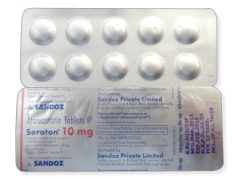
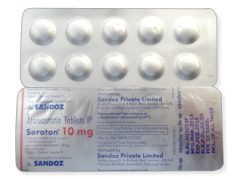
Statins remain the gold standard for cholesterol management in Australia. These medications work by blocking an enzyme your liver uses to make cholesterol. Common statins available include:
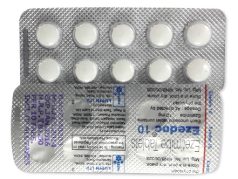
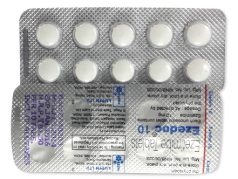
For patients who cannot tolerate statins or need additional cholesterol reduction, ezetimibe (Zetia) offers an alternative approach by blocking cholesterol absorption in the intestines. PCSK9 inhibitors like evolocumab represent cutting-edge treatment for severe cases or familial hypercholesterolaemia.
Combination medications such as ezetimibe/simvastatin provide convenient dosing while targeting cholesterol production and absorption simultaneously. Additionally, natural supplements including plant sterols, red yeast rice, and omega-3 fatty acids can complement conventional treatment, though they should be used under professional guidance to ensure safety and effectiveness.
Lipitor remains the most commonly prescribed statin medication in Australia, effectively reducing LDL (bad) cholesterol by blocking the enzyme responsible for cholesterol production in the liver. This medication typically reduces cholesterol levels by 35-50% and has proven cardiovascular benefits backed by extensive clinical research.
Crestor is a high-potency statin option that delivers powerful cholesterol reduction, often prescribed for patients requiring significant LDL lowering. It's particularly effective at raising HDL (good) cholesterol whilst substantially reducing LDL levels, making it suitable for high-risk cardiovascular patients.
Simvastatin offers cost-effective cholesterol management and is widely available on the PBS (Pharmaceutical Benefits Scheme). This well-established medication provides reliable cholesterol reduction and is often the first-line treatment for patients new to statin therapy.
Ezetrol works differently from statins by blocking cholesterol absorption in the intestines, making it an excellent alternative for patients who cannot tolerate statins. It's often combined with statins for enhanced cholesterol reduction or used alone for statin-intolerant individuals.
Most cholesterol medications begin showing results within 2-4 weeks, with maximum effects typically achieved after 6-8 weeks of consistent treatment.
Cholesterol medications are generally well-tolerated, but some patients may experience mild side effects including headaches, digestive upset, or muscle discomfort. These effects often diminish as your body adjusts to the medication over the first few weeks of treatment.
Whilst muscle pain affects only a small percentage of patients, it's important to contact your doctor immediately if you experience unexplained muscle pain, weakness, or tenderness, particularly if accompanied by fever or unusual fatigue. These symptoms may indicate a rare but serious condition requiring prompt medical attention.
Several medications and substances can interact with cholesterol treatments:
Regular monitoring through blood tests ensures your medication is working effectively and safely. Your doctor will typically schedule liver function tests and cholesterol level checks every 3-6 months initially, then annually once stable levels are achieved.
A heart-healthy diet is fundamental to managing cholesterol levels effectively. Focus on incorporating foods rich in soluble fibre, such as oats, barley, legumes, and fresh Australian fruits like apples and pears. Choose lean proteins including fish, skinless poultry, and plant-based options. Limit saturated fats found in full-fat dairy products and fatty meats, whilst avoiding trans fats altogether. The Mediterranean-style eating pattern, emphasising olive oil, nuts, seeds, and plenty of vegetables, has shown excellent results for cholesterol management.
Regular physical activity plays a crucial role in improving cholesterol profiles by raising HDL (good) cholesterol and lowering LDL (bad) cholesterol. Aim for at least 150 minutes of moderate-intensity aerobic activity weekly, such as brisk walking, swimming, or cycling. Incorporate strength training exercises twice weekly to further enhance cardiovascular benefits. Even simple activities like taking the stairs, gardening, or walking to local shops can contribute to your daily exercise goals.
Maintaining a healthy weight significantly impacts cholesterol levels and overall cardiovascular health. Focus on gradual, sustainable weight loss through a combination of dietary changes and increased physical activity. Set realistic goals of losing 0.5-1 kilogram per week. Keep a food diary to identify eating patterns and triggers, and consider portion control techniques such as using smaller plates and eating mindfully without distractions.
Quitting smoking provides immediate and long-term benefits for cholesterol management and heart health. Smoking lowers HDL cholesterol and damages blood vessel walls, making them more susceptible to cholesterol buildup. Your local pharmacy can provide nicotine replacement therapies, counselling support, and connect you with Quitline services. The Australian Government's Quitnow program offers free resources and support to help you successfully quit smoking.
Chronic stress can negatively impact cholesterol levels and contribute to unhealthy lifestyle choices. Implement stress management strategies such as deep breathing exercises, meditation, yoga, or regular relaxation activities. Ensure adequate sleep of 7-9 hours nightly, as poor sleep can affect hormone levels that regulate appetite and stress. Consider joining local community groups or engaging in hobbies that bring you joy and relaxation.
Building a strong relationship with both your GP and pharmacist ensures comprehensive cholesterol management. Your pharmacist can provide valuable medication counselling, monitor for drug interactions, and offer lifestyle advice. Regular consultations with your GP allow for treatment adjustments based on your progress and changing health needs. Don't hesitate to ask questions about your medications, potential side effects, or treatment goals during these appointments.
Taking your cholesterol medication exactly as prescribed is essential for achieving optimal results. Skipping doses or stopping medication without medical supervision can lead to cholesterol levels returning to dangerous levels. If you experience side effects or have concerns about your medication, speak with your pharmacist or GP rather than discontinuing treatment independently. Consider using pill organisers, smartphone reminders, or medication apps to help maintain consistent dosing schedules.
Cholesterol management requires ongoing monitoring through regular blood tests, typically every 6-12 weeks initially, then every 3-6 months once levels stabilise. Your healthcare team will assess your lipid profile and may adjust medication doses or types based on your response to treatment. Factors such as age, other health conditions, and lifestyle changes may influence your treatment plan over time.
Understanding warning signs that require immediate medical attention is crucial for anyone managing cholesterol. Seek emergency care immediately if you experience:
Successful long-term cholesterol management requires a comprehensive approach combining medication adherence with sustained lifestyle modifications. Establish realistic, achievable goals and celebrate small victories along your health journey. Stay informed about your condition through reputable Australian health resources such as the Heart Foundation and maintain regular contact with your healthcare team. Consider joining support groups or heart-healthy cooking classes in your local community to stay motivated and connected with others managing similar health challenges.