Erectile dysfunction (ED) is the persistent inability to achieve or maintain an erection sufficient for satisfactory sexual performance. This common condition affects millions of Australian men, with studies indicating that approximately 40% of men over 40 experience some degree of ED, rising to 70% in men over 70 years of age.
ED can stem from various physical and psychological factors. Physical causes include cardiovascular disease, diabetes, high blood pressure, obesity, and hormonal imbalances. Psychological factors encompass stress, anxiety, depression, and relationship issues. Lifestyle factors such as smoking, excessive alcohol consumption, and lack of physical activity also contribute significantly to erectile difficulties.
Age-related changes naturally affect erectile function, as testosterone levels decline and blood vessel health deteriorates over time. However, ED is not an inevitable part of ageing, and effective treatments are available. Men should seek medical advice when erectile problems persist for more than a few weeks or significantly impact their quality of life. Early intervention often leads to better outcomes and can help identify underlying health conditions that require treatment.
The impact of ED extends beyond physical symptoms, often affecting self-esteem, relationships, and overall wellbeing. Open communication with healthcare providers and partners is crucial for successful management.
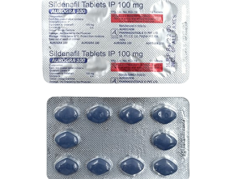
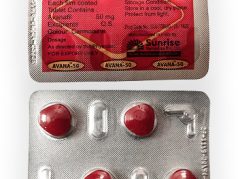
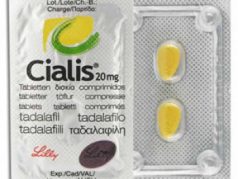
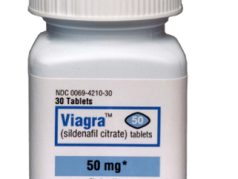
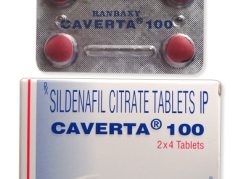
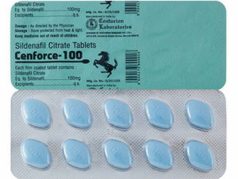
Phosphodiesterase type 5 (PDE5) inhibitors are the most commonly prescribed oral medications for erectile dysfunction in Australia. These medications work by blocking the PDE5 enzyme, which increases blood flow to the penis during sexual arousal, facilitating and maintaining erections.
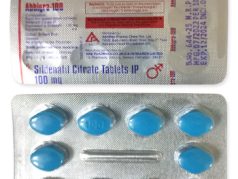
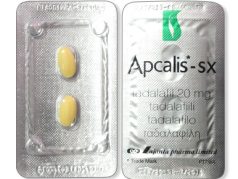
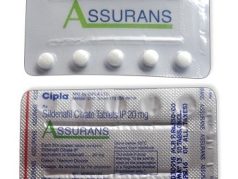
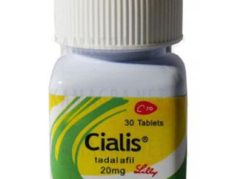
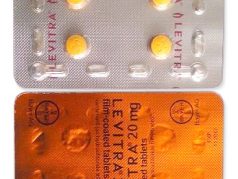
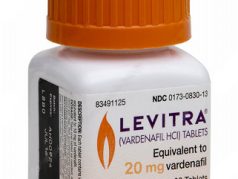
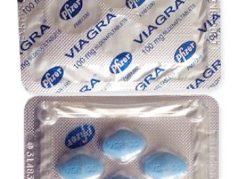
Three main PDE5 inhibitors are available through Australian pharmacies:
All ED medications require a prescription from a registered Australian doctor or pharmacist prescriber. Many pharmacies now offer private consultation services, making access more convenient and discreet for patients seeking treatment.
Selecting the most suitable erectile dysfunction medication requires careful consideration of several important factors. Your healthcare provider will assess your overall health, medical history, and specific needs to determine the best treatment approach for your situation.
Different ED medications offer varying onset times and durations of action. Some work within 30 minutes and last 4-6 hours, whilst others may take longer to become effective but provide benefits for up to 36 hours. Your age, health conditions such as diabetes or cardiovascular disease, and other medications you're taking will influence which treatment option is most appropriate.
Effectiveness rates vary between individuals, but most ED medications show positive results in 60-80% of men when used correctly. It's essential to have realistic expectations and discuss potential outcomes with your healthcare professional before beginning treatment.
Whilst ED medications are generally safe when used as prescribed, it's crucial to understand potential side effects and safety considerations before starting treatment. Always consult with a qualified healthcare professional or pharmacist before using any erectile dysfunction medication.
Most side effects are mild and temporary, including headaches, facial flushing, nasal congestion, and mild digestive upset. These typically resolve within a few hours and can often be managed by adjusting dosage or timing of administration.
ED medications can interact dangerously with certain heart medications, particularly nitrates, causing potentially life-threatening drops in blood pressure. Alcohol should be consumed in moderation, as excessive amounts can reduce effectiveness and increase side effect risks.
Seek immediate medical attention if you experience chest pain, sudden vision or hearing loss, or an erection lasting more than four hours. These situations require urgent medical intervention to prevent serious complications.
Making positive lifestyle changes can significantly improve erectile function and overall sexual health. A balanced diet rich in fruits, vegetables, whole grains, and lean proteins supports healthy blood flow, whilst regular exercise enhances cardiovascular health and can boost testosterone levels. Even moderate physical activity like brisk walking for 30 minutes daily can make a meaningful difference.
Stress management plays a crucial role in addressing ED, as anxiety and psychological pressure can worsen symptoms. Techniques such as meditation, counselling, or stress reduction therapy can be highly beneficial. Additionally, smoking cessation and moderating alcohol consumption are essential steps, as both substances can impair blood circulation and nerve function.
Quality sleep is vital for maintaining hormonal balance, particularly testosterone production. Poor sleep patterns can contribute to erectile difficulties and reduced libido.
Remember that addressing ED often requires a holistic approach combining medical treatment with lifestyle modifications and emotional support.
Obtaining ED treatment in Australia begins with consulting your general practitioner (GP), who can assess your condition, discuss treatment options, and provide appropriate prescriptions. Your GP may also refer you to a urologist or specialist if required. Many Australians find this initial consultation straightforward and confidential.
Telehealth and online consultation services have become increasingly popular, offering convenient access to qualified Australian doctors from the comfort of your home. These services maintain the same professional standards as traditional consultations whilst providing enhanced privacy and flexibility.
Several ED medications are listed on the Pharmaceutical Benefits Scheme (PBS), making them more affordable for eligible patients. Medicare may cover consultation costs with your GP or specialist, reducing out-of-pocket expenses significantly.
Australian healthcare providers prioritise patient privacy and discretion throughout the treatment process, ensuring you receive professional care in a comfortable, judgment-free environment.