Hair loss is a common condition that affects millions of Australians across all age groups and genders. While it's normal to lose between 50-100 hairs daily, excessive hair loss can significantly impact one's appearance and emotional wellbeing. In Australia's diverse climate, factors such as sun exposure, humidity, and environmental stressors can contribute to hair-related concerns.
The most prevalent forms of hair loss include:
Hair loss can result from genetics, hormonal imbalances, medical conditions, medications, stress, nutritional deficiencies, and harsh styling practices. Age, family history, and certain medical treatments increase susceptibility.
Seek professional help if you notice sudden hair loss, patches of baldness, or thinning that affects your confidence. Early intervention often yields better treatment outcomes. Hair loss can significantly impact self-esteem and social interactions, making timely treatment essential for maintaining quality of life.
Male pattern baldness, or androgenetic alopecia, affects approximately 70% of Australian men during their lifetime. This condition typically begins with a receding hairline and crown thinning, progressing gradually over years or decades. The pattern follows a predictable course, influenced primarily by genetics and dihydrotestosterone (DHT) sensitivity.
The Norwood scale classifies male pattern baldness into seven stages, from minimal hairline recession (Stage I) to extensive baldness with only a horseshoe-shaped fringe remaining (Stage VII). Understanding these stages helps men identify their current situation and potential progression.
Male pattern baldness results from inherited genetic sensitivity to DHT, a hormone derived from testosterone. Hair follicles gradually shrink when exposed to DHT, producing thinner, shorter hairs before eventually ceasing production entirely.
Early signs include increased hair shedding, temple recession, and crown thinning. Prevention strategies encompass maintaining a healthy lifestyle, managing stress, using gentle hair care products, and considering early treatment options when symptoms first appear.
Female pattern hair loss differs significantly from male pattern baldness, typically presenting as diffuse thinning across the crown rather than receding hairlines or bald patches. Women often experience a widening part line and overall reduction in hair density whilst maintaining their frontal hairline.
Hormonal fluctuations play a crucial role in women's hair health. Oestrogen levels directly impact hair growth cycles, with declining hormone levels during menopause often triggering increased hair loss. Similarly, postpartum hair loss affects up to 90% of new mothers as oestrogen levels drop after childbirth, though this typically resolves within 12 months.
Nutritional deficiencies can significantly impact hair health in women. Iron deficiency, common in Australian women of childbearing age, alongside inadequate protein intake and vitamin D deficiency, can exacerbate hair thinning. Stress, restrictive dieting, and certain hairstyling practices may further contribute to hair loss.
The emotional impact of hair loss in women is often more pronounced than in men, as hair is closely tied to feminine identity and self-esteem. Many women report feeling less confident and may withdraw from social situations, highlighting the importance of seeking appropriate treatment and support.
Australian pharmacies offer various evidence-based treatments for hair loss, with topical minoxidil being the primary over-the-counter option. Available in 2% and 5% concentrations, minoxidil helps stimulate hair follicles and extend the growth phase. Popular Australian brands include Regaine and generic formulations, available as solutions, foams, and once-daily applications.
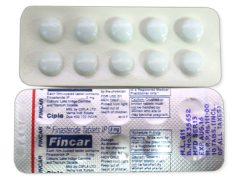
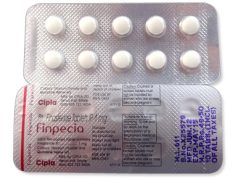
Oral medications require consultation with Australian healthcare providers. Finasteride (Propecia) is approved for men and works by blocking DHT production. Dutasteride, whilst not specifically approved for hair loss, may be prescribed off-label. Women of childbearing age cannot use these medications due to pregnancy risks.
For women, oral contraceptives with anti-androgenic properties or spironolactone may be prescribed to address hormonal hair loss. These require ongoing medical supervision and regular monitoring.
Australian pharmacies stock various natural supplements and herbal treatments:
Combination approaches often yield the best results. Many Australians successfully combine topical treatments with supplements and lifestyle modifications. Treatment effectiveness varies individually, with most therapies requiring 3-6 months of consistent use before visible improvements. Consultation with pharmacists or healthcare providers ensures appropriate treatment selection based on individual circumstances and medical history.
Selecting an appropriate hair loss treatment requires careful consideration and professional guidance. Before beginning any treatment regimen, it's essential to consult with a healthcare professional, such as your GP or a dermatologist, who can properly diagnose the cause of your hair loss and recommend suitable options.
Several important factors should influence your treatment choice:
Understanding realistic timelines is crucial for success. Most treatments require 3-6 months before noticeable improvements occur, with full results typically visible after 12 months of consistent use. Be aware of potential side effects, which vary by treatment type, and discuss any contraindications with your healthcare provider.
Cost is an important consideration in Australia. Some treatments may be available through the Pharmaceutical Benefits Scheme (PBS), making them more affordable. Regular monitoring appointments help track progress and allow for treatment adjustments as needed, ensuring optimal outcomes for your specific situation.
Supporting hair health extends beyond medical treatments to encompass comprehensive lifestyle approaches. A balanced diet rich in proteins, iron, zinc, and vitamins A, C, D, and E provides essential nutrients for healthy hair growth. Foods like lean meats, fish, eggs, leafy greens, nuts, and seeds should feature prominently in your daily meals.
Stress management plays a crucial role in maintaining hair health, as chronic stress can contribute to hair loss. Consider incorporating relaxation techniques such as meditation, yoga, or regular exercise into your routine. Establish gentle hair care practices by avoiding excessive heat styling, harsh chemicals, and tight hairstyles that can damage follicles.
Connecting with others experiencing similar challenges can provide valuable emotional support. Many Australian cities offer support groups, and online communities provide accessible resources and shared experiences. Remember that treating hair loss requires patience and realistic expectations – results take time, and individual responses vary significantly.
Long-term commitment is essential for maintaining results with most treatments. If initial approaches prove unsuccessful, discuss alternative options with your healthcare provider, including newer treatments or combination therapies that may better suit your needs.