Human Immunodeficiency Virus (HIV) is a virus that attacks the body's immune system, specifically targeting CD4 cells (T-helper cells) which are crucial for fighting infections. When HIV destroys these cells, the immune system becomes progressively weaker, making the body vulnerable to opportunistic infections and certain cancers. Without proper treatment, HIV can advance to Acquired Immunodeficiency Syndrome (AIDS), the most severe stage of HIV infection.
It's important to understand that HIV and AIDS are not the same condition. HIV is the virus itself, whilst AIDS is the advanced stage of HIV infection that occurs when the immune system is severely compromised. With modern treatment approaches available in Australia, many people living with HIV never progress to AIDS and can maintain healthy, productive lives.
Early detection through regular testing is crucial for successful HIV management. When HIV is diagnosed and treated promptly, individuals can achieve an undetectable viral load, which means:
Modern HIV medications work by blocking different stages of the virus's life cycle, preventing it from replicating and allowing the immune system to recover. These antiretroviral therapies have transformed HIV from a fatal diagnosis into a manageable chronic condition. In Australia, the Pharmaceutical Benefits Scheme (PBS) ensures that HIV medications are accessible and affordable for those who need them.
With proper adherence to treatment regimens, people living with HIV in Australia can expect to live full, healthy lives. Regular monitoring by healthcare professionals ensures optimal treatment outcomes and allows for adjustments to medication regimens as needed.
Antiretroviral therapy (ART) is the cornerstone of HIV treatment in Australia, involving combinations of medications from different drug classes that work together to suppress viral replication. Modern ART regimens are highly effective, often combining multiple medications into single daily tablets for improved convenience and adherence.
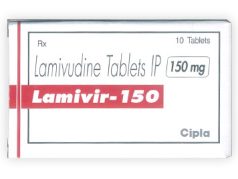
NRTIs were among the first HIV medications developed and remain essential components of many treatment regimens. These medications work by mimicking the building blocks of DNA, causing the virus to incorporate faulty components that prevent proper replication. Common NRTIs available in Australia include zidovudine, tenofovir, and emtricitabine.
NNRTIs block HIV replication by binding directly to the reverse transcriptase enzyme, preventing the virus from converting its RNA into DNA. These medications include efavirenz, rilpivirine, and doravirine, each offering different advantages in terms of side effect profiles and drug interactions.
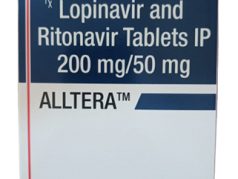
PIs work by blocking the protease enzyme that HIV needs to assemble new viral particles. Whilst highly effective, these medications often require boosting agents and may have more complex dosing requirements. Examples include darunavir and atazanavir.
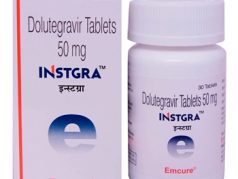
INSTIs represent the newest class of HIV medications and are increasingly used as first-line therapy due to their excellent efficacy and tolerability profiles. These medications prevent HIV from integrating its genetic material into the host cell's DNA. Popular options in Australia include:
These specialised medications prevent HIV from entering or fusing with CD4 cells. Whilst less commonly used, they provide important options for treatment-experienced patients or those with drug-resistant virus strains.
Australia's Pharmaceutical Benefits Scheme (PBS) provides access to a comprehensive range of HIV medications, ensuring patients have options for effective treatment. Modern HIV therapy focuses on combination medications that target the virus at different stages of its lifecycle, significantly improving patient outcomes and quality of life.
Truvada combines emtricitabine and tenofovir disoproxil fumarate, serving as both a treatment option and prevention medication. Descovy offers a newer formulation with emtricitabine and tenofovir alafenamide, providing improved kidney and bone safety profiles compared to older tenofovir formulations.
Biktarvy represents one of the most advanced single-tablet regimens available, combining bictegravir, emtricitabine, and tenofovir alafenamide. This medication offers excellent efficacy with minimal side effects for most patients. Triumeq combines dolutegravir, abacavir, and lamivudine, though genetic testing for HLA-B*5701 is required before starting treatment.
Your healthcare provider will determine the most appropriate medication based on your individual circumstances, including viral resistance patterns, kidney function, and potential drug interactions. Regular monitoring ensures optimal treatment outcomes while minimising adverse effects.
Pre-exposure prophylaxis (PrEP) involves taking HIV medication before potential exposure to significantly reduce infection risk. When taken consistently, PrEP can reduce HIV transmission risk by up to 99% for sexual exposure. The most commonly prescribed PrEP medications in Australia include Truvada and Descovy, both available through the PBS for eligible patients.
Post-exposure prophylaxis (PEP) is emergency medication taken within 72 hours of potential HIV exposure. This 28-day treatment course can significantly reduce infection risk when started promptly. PEP is available through hospital emergency departments and sexual health clinics across Australia.
PrEP is available through GP prescriptions, sexual health clinics, and specialist HIV services. The PBS subsidises PrEP for eligible patients, making it affordable for those at high risk. Regular monitoring includes kidney function tests and STI screening every three months. Speak with your healthcare provider to determine if PrEP is appropriate for your situation.
HIV treatment in Australia is significantly subsidised through the Pharmaceutical Benefits Scheme (PBS), making life-saving medications accessible and affordable for patients. Most HIV antiretroviral medications are listed on the PBS, reducing out-of-pocket costs to standard co-payment fees. Medicare provides coverage for essential HIV-related medical services, including regular consultations with specialists, pathology tests, and monitoring appointments.
Specialist HIV clinics operate throughout Australia, staffed by experienced immunologists and infectious disease physicians. These clinics provide comprehensive care including treatment initiation, monitoring, and ongoing support. Pharmacies dispensing HIV medications must meet specific requirements, including maintaining patient confidentiality and ensuring proper storage conditions. Many community pharmacies offer specialised HIV services with trained pharmacists who understand the complexities of antiretroviral therapy.
Private health insurance may provide additional benefits for HIV treatment, including coverage for private specialist consultations and enhanced pharmacy benefits. Patient support programs offered by pharmaceutical companies can provide financial assistance, medication delivery services, and educational resources to help manage treatment effectively.
Medication adherence is crucial for successful HIV treatment, with daily antiretroviral therapy requiring consistent timing and proper dosing. Regular monitoring through blood tests helps track viral load suppression and CD4 cell counts, ensuring treatment effectiveness. Healthcare providers schedule routine appointments every three to six months to assess progress and adjust treatment plans as needed.
Comprehensive support services are available throughout Australia, including:
Patient confidentiality and privacy rights are strictly protected under Australian law. Healthcare providers must maintain complete discretion regarding HIV status and treatment information. Emergency medication supplies can be arranged through specialist clinics or hospital pharmacies to ensure uninterrupted treatment during travel or unexpected circumstances. Many pharmacies also offer delivery services to maintain privacy and convenience for ongoing medication supply.