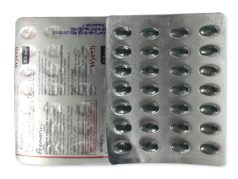
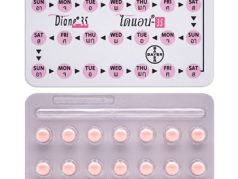
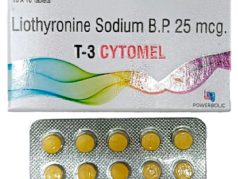
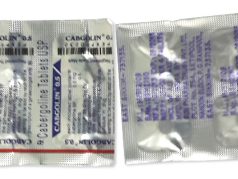
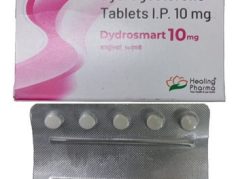
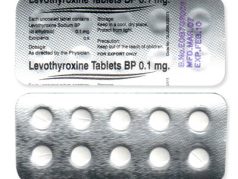
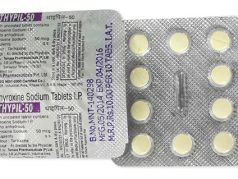
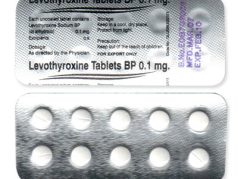
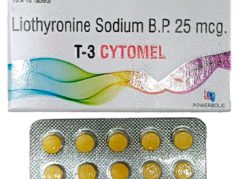
Thyroid hormones play a crucial role in regulating your body's metabolism, controlling how quickly your cells use energy. In Australia, thyroid disorders affect approximately 1 in 20 people, with hypothyroidism being the most common condition. These essential hormones influence heart rate, body temperature, weight management, and energy levels throughout your daily activities.
Common symptoms of thyroid imbalance include unexplained weight changes, fatigue, temperature sensitivity, hair loss, and mood fluctuations. If you're experiencing these symptoms, consult your GP for proper thyroid function testing through blood work.
Australian pharmacies stock several thyroid hormone replacement options:
Thyroid medication requires careful dosage monitoring through regular blood tests, typically every 6-8 weeks initially, then annually once stabilised. Take medications on an empty stomach, avoiding calcium, iron supplements, and coffee for optimal absorption. Always consult your pharmacist about potential interactions with other medications you're taking.
Reproductive hormone therapies address various women's health needs across different life stages. Oestrogen and progesterone treatments help manage menstrual irregularities, while hormone replacement therapy (HRT) effectively treats menopausal symptoms like hot flushes, mood changes, and bone density concerns. Australian women have access to multiple contraceptive hormone options, including oral contraceptives, patches, and long-acting reversible contraceptives (LARCs) through the PBS.
Testosterone replacement therapy treats clinically diagnosed low testosterone levels in Australian men. Available formulations include:
Regular monitoring through blood tests ensures safe and effective treatment outcomes.
Fertility hormone preparations support assisted reproductive technologies and ovulation induction. These specialised medications require prescription from fertility specialists and careful monitoring throughout treatment cycles. Your pharmacist can provide guidance on proper storage, injection techniques, and timing schedules to optimise treatment success whilst maintaining medication efficacy.
Australian pharmacies stock a comprehensive range of insulin products to meet diverse patient needs. Modern insulin formulations include rapid-acting options like NovoRapid and Humalog, which work within 15 minutes of injection, making them ideal for mealtime glucose control. Long-acting insulins such as Lantus and Levemir provide 24-hour basal coverage, whilst intermediate-acting varieties like Protaphane offer reliable glucose management between rapid-acting doses.
Insulin delivery systems available in Australia include:
Proper storage is crucial - insulin should be refrigerated before opening and can be kept at room temperature for up to 28 days once in use.
GLP-1 receptor agonists like Ozempic and Victoza work by mimicking natural hormones that regulate blood sugar levels. These medications slow gastric emptying and enhance insulin secretion when glucose levels are elevated. SGLT-2 inhibitors such as Jardiance affect kidney hormone pathways, promoting glucose excretion through urine whilst providing cardiovascular benefits.
Effective diabetes management requires coordinating blood glucose monitoring with hormonal treatments. Regular testing helps determine optimal insulin timing and dosage adjustments. Emergency protocols should be established for severe hypoglycaemia, including access to glucagon emergency kits available through Australian pharmacies.
Growth hormone treatments in Australia require specialist endocrinologist prescription and careful monitoring. Paediatric patients with diagnosed growth hormone deficiency may receive Genotropin or Norditropin to support normal development. These biosynthetic hormones help children achieve appropriate height velocity and developmental milestones.
Adult growth hormone replacement therapy addresses deficiencies that can occur due to pituitary disorders or previous treatments. Australian regulations require comprehensive testing and ongoing specialist supervision to ensure appropriate use and monitor potential side effects.
IGF-1 (Insulin-like Growth Factor-1) treatments complement growth hormone therapy by promoting cellular growth and development. Regular monitoring includes height measurements, bone age assessments, and laboratory testing to track treatment effectiveness. Long-term considerations involve coordinating care between paediatric endocrinologists, pharmacists, and families to ensure optimal outcomes throughout the treatment journey, which may extend over several years depending on individual patient needs and response to therapy.
Adrenal insufficiency requires careful hormone replacement therapy to maintain proper cortisol levels throughout the body. In Australia, several corticosteroid medications are available through registered pharmacies to support patients with primary and secondary adrenal insufficiency.
Hydrocortisone remains the gold standard for adrenal insufficiency treatment, closely mimicking the body's natural cortisol production patterns. This medication is typically prescribed in divided doses throughout the day, with higher amounts in the morning to replicate normal circadian rhythms. Patients require regular monitoring by their healthcare provider to ensure optimal dosing.
Prednisolone and other synthetic corticosteroids may be prescribed as alternative options when hydrocortisone is not suitable or available. These medications offer different absorption rates and durations of action, allowing healthcare providers to tailor treatment to individual patient needs. Stress dosing protocols are essential for patients during illness, surgery, or significant physical stress, often requiring temporary dose increases under medical supervision.
Fludrocortisone serves as the primary mineralocorticoid replacement therapy for patients with Addison's disease and other forms of primary adrenal insufficiency. This medication helps regulate sodium and potassium balance, maintaining proper blood pressure and fluid levels within the body.
Regular electrolyte monitoring is crucial for patients receiving fludrocortisone therapy. Healthcare providers typically recommend periodic blood tests to assess sodium, potassium, and kidney function, ensuring the medication dosage remains appropriate for each individual's needs.
Dosage considerations for mineralocorticoid therapy include:
Crisis management medications are vital for patients with adrenal insufficiency, as adrenal crisis represents a life-threatening medical emergency. Australian pharmacies stock emergency hydrocortisone injection kits that patients and their families can access when oral medications cannot be administered or absorbed properly.
Patient education programmes focus on recognising early warning signs of adrenal crisis and proper administration techniques for emergency medications. Comprehensive emergency kits typically include injectable hydrocortisone, administration supplies, and detailed instructions for patients and caregivers to follow during crisis situations.
Hormone replacement therapy options in Australia encompass various formulations designed to alleviate menopausal symptoms and support women's health during the transition. The Therapeutic Goods Administration (TGA) regulates these medications to ensure safety and efficacy standards for Australian patients.
Available HRT options include oestrogen-only preparations for women who have undergone hysterectomy, and combined oestrogen-progestogen therapies for women with intact uteri. These medications come in multiple delivery methods including oral tablets, transdermal patches, gels, and vaginal preparations, allowing for personalised treatment approaches.
Benefits and risk considerations require thorough discussion between patients and healthcare providers. While HRT effectively manages hot flushes, night sweats, and vaginal dryness, potential risks include increased likelihood of blood clots, stroke, and certain cancers depending on the specific formulation and individual risk factors.
Individual treatment planning involves comprehensive assessment of menopausal symptoms, medical history, family history, and personal preferences. Healthcare providers work closely with patients to determine the most appropriate HRT regimen, considering factors such as age, time since menopause, cardiovascular health, and cancer risk.
Compounded hormone preparations offer customised hormone replacement solutions for patients requiring specific formulations not available in commercial products. Australian compounding pharmacies prepare these medications according to individual prescriptions, allowing for precise dosage adjustments and unique delivery methods.
Regulatory considerations for bioidentical hormones involve compliance with TGA guidelines and Australian compounding standards. Compounding pharmacies must maintain strict quality control measures and documentation requirements to ensure product safety and consistency for patients receiving these specialised preparations.
Monitoring and safety protocols for bioidentical hormone therapy include regular hormone level testing, symptom assessment, and ongoing evaluation of treatment effectiveness. Patients require periodic reviews with their healthcare providers to adjust formulations and dosages based on clinical response and laboratory results.
Regular health assessments form the cornerstone of safe hormone replacement therapy management. Australian clinical guidelines recommend annual comprehensive reviews including physical examinations, breast health assessments, and cardiovascular risk evaluations for all women receiving HRT.
Long-term safety considerations encompass ongoing monitoring for potential adverse effects and regular reassessment of the benefit-risk ratio for continued therapy. Healthcare providers evaluate factors such as:
Discontinuation strategies involve gradual dose reduction rather than abrupt cessation to minimise the likelihood of symptom recurrence. Healthcare providers work with patients to develop individualised tapering schedules, often extending over several months to allow the body to adjust naturally to decreasing hormone levels.