High blood pressure, or hypertension, occurs when the force of blood against your artery walls is consistently too high, making your heart work harder to pump blood throughout your body. This condition can lead to serious health complications including heart disease, stroke, and kidney problems if left untreated.
According to Australian clinical guidelines, normal blood pressure readings are below 120/80 mmHg, whilst readings consistently above 140/90 mmHg indicate hypertension. However, for individuals with diabetes or kidney disease, the target may be lower at 130/80 mmHg.
Several risk factors contribute to developing hypertension:
Often called the "silent killer," hypertension typically presents no obvious symptoms until complications develop. Some people may experience headaches, shortness of breath, or nosebleeds, though these aren't specific indicators. Regular blood pressure monitoring and routine check-ups with your healthcare provider are essential for early detection and management.
Australian pharmacies stock a comprehensive range of hypertension medications, many of which are subsidised through the Pharmaceutical Benefits Scheme (PBS), making treatment more affordable for patients.
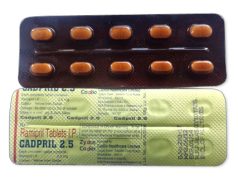
These medications, including perindopril, ramipril, and enalapril, work by relaxing blood vessels and reducing the workload on your heart. They're often prescribed as first-line treatment for hypertension.
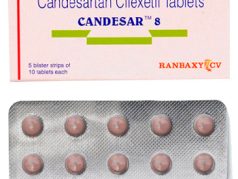
Medications such as irbesartan, telmisartan, and candesartan block the action of angiotensin II, helping to lower blood pressure with fewer side effects than some other classes.
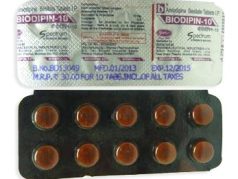
Amlodipine, felodipine, and lercanidipine prevent calcium from entering heart and blood vessel cells, causing vessels to relax and blood pressure to decrease.
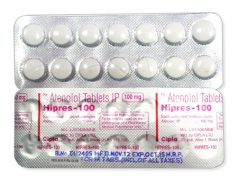
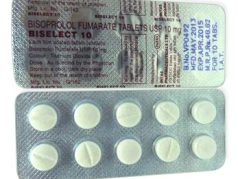
Metoprolol, atenolol, and bisoprolol reduce heart rate and the heart's output of blood, effectively lowering blood pressure, particularly beneficial for patients with heart conditions.
Water tablets like hydrochlorothiazide, indapamide, and frusemide help remove excess sodium and fluid from your body, reducing blood volume and pressure.
Many combination medications are available on the PBS, allowing patients to take multiple blood pressure medications in a single tablet, improving convenience and compliance with treatment regimens.
Blood pressure medications work through different mechanisms to help your cardiovascular system manage hypertension effectively. ACE inhibitors and ARBs relax blood vessels by blocking hormones that cause vessel constriction, whilst calcium channel blockers prevent calcium from entering heart and blood vessel cells, reducing the force of contractions. Beta-blockers slow your heart rate and reduce the heart's workload, and diuretics help your kidneys remove excess sodium and water from your body.
Your GP or cardiologist selects specific medications based on your individual health profile, including age, other medical conditions, current medications, and how your body responds to treatment. Factors such as kidney function, diabetes, and heart conditions all influence which class of blood pressure medication will be most suitable for you.
Most patients begin seeing results within 2-4 weeks of starting treatment, though optimal blood pressure control may take 6-8 weeks to achieve. Consistent daily dosing at the same time each day is crucial for maintaining steady blood levels of medication. Remember that blood pressure medications work best when combined with lifestyle modifications such as regular exercise, a balanced diet low in sodium, maintaining a healthy weight, and limiting alcohol consumption.
Different blood pressure medications can cause various side effects that are generally manageable with proper monitoring. ACE inhibitors may cause a dry cough or elevated potassium levels, whilst calcium channel blockers can lead to ankle swelling or dizziness. Beta-blockers might cause fatigue or cold hands and feet, and diuretics can result in increased urination or low potassium levels.
Contact your doctor or pharmacist immediately if you experience persistent dizziness, fainting, severe swelling, difficulty breathing, or chest pain. Your healthcare team can adjust dosages or switch medications to minimise uncomfortable side effects whilst maintaining effective blood pressure control.
Several important interactions can affect your blood pressure medications:
To minimise side effects, take medications with food if stomach upset occurs, rise slowly from sitting or lying positions to prevent dizziness, and maintain regular follow-up appointments with your healthcare provider for monitoring and adjustments.
Managing hypertension effectively extends beyond medication to include proper monitoring and lifestyle support tools readily available at Australian pharmacies. Home blood pressure monitors are essential for tracking your readings between medical appointments, with digital automatic models being most reliable for self-monitoring. Many pharmacies stock validated devices and can provide guidance on proper usage techniques.
Pharmacies offer various dietary supplements that may support cardiovascular health, including:
Salt substitutes containing potassium chloride can help reduce sodium intake whilst maintaining flavour in cooking. Your pharmacist can recommend heart-healthy products and discuss how they complement your prescribed medications. Regular exercise, stress management techniques, and maintaining a healthy weight remain cornerstone lifestyle interventions that work alongside pharmaceutical treatment for optimal blood pressure control.
The Pharmaceutical Benefits Scheme (PBS) provides substantial subsidies for many hypertension medications, making treatment more affordable for Australian patients. Most common blood pressure medications including ACE inhibitors, beta-blockers, and diuretics are listed on the PBS, significantly reducing out-of-pocket costs for patients with valid prescriptions.
Generic medications offer the same therapeutic benefits as brand-name versions but at lower costs, whether purchased through PBS or private prescriptions. Your pharmacist can explain the differences and help you make informed decisions about treatment options. Repeat prescriptions allow convenient ongoing treatment without frequent GP visits, though regular medical reviews remain important.
For patients experiencing financial hardship, several assistance programmes are available in Australia, including:
Discuss these options with your pharmacist to ensure you're accessing the most cost-effective treatment plan.