Obesity is defined as having a Body Mass Index (BMI) of 30 or higher, calculated by dividing weight in kilograms by height in metres squared. The classifications include overweight (BMI 25-29.9), obese class I (BMI 30-34.9), obese class II (BMI 35-39.9), and obese class III (BMI 40+). In Australia, approximately 67% of adults are overweight or obese, making it one of the most significant health challenges facing our nation.
Excess weight significantly increases the risk of developing serious health conditions including type 2 diabetes, cardiovascular disease, sleep apnoea, certain cancers, and mental health issues. These conditions can substantially impact quality of life and life expectancy. Professional help should be sought when BMI exceeds 30, when weight-related health problems develop, or when previous weight loss attempts have been unsuccessful.
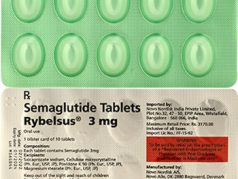
Several prescription weight loss medications are available through the Pharmaceutical Benefits Scheme (PBS) and private prescription in Australia. These include:
These medications work by suppressing appetite, increasing satiety, or reducing nutrient absorption. Eligibility typically requires a BMI of 30+ or 27+ with obesity-related health conditions, alongside demonstrated commitment to lifestyle changes. Results vary, but patients may expect 5-15% weight loss over 12-24 months when combined with diet and exercise modifications under medical supervision.
Over-the-counter fat blockers work by reducing the absorption of dietary fats, whilst appetite suppressants help control food cravings and portion sizes. These products are available without prescription and can provide additional support when combined with proper diet and exercise.
Natural supplements containing ingredients like green tea extract, garcinia cambogia, and chromium may support weight management efforts. These products harness the power of natural compounds to potentially boost metabolism and reduce appetite.
Meal replacement shakes, bars, and soups offer controlled portions with balanced nutrition. These convenient options help manage calorie intake whilst ensuring you receive essential nutrients during your weight management journey.
Key nutrients including B-complex vitamins, magnesium, and zinc play crucial roles in metabolic function. These supplements can help ensure your body has the nutritional support needed for optimal metabolism and energy production.
Regular blood glucose monitoring helps track how your body responds to different foods and activities. These devices are particularly valuable for those managing diabetes alongside weight concerns.
Modern scales provide detailed insights beyond weight, measuring body fat percentage, muscle mass, and water retention. This comprehensive data offers a more complete picture of your health progress.
Practical tools to support healthy eating habits include:
Fitness trackers and pedometers monitor daily activity levels, steps taken, and calories burned. These motivational tools help establish and maintain active lifestyle habits essential for long-term weight management success.
Australian pharmacies offer comprehensive obesity management consultations, providing personalised advice on weight loss medications, dosage optimisation, and treatment monitoring. Our qualified pharmacists can assess your current medications, discuss potential interactions, and ensure you're receiving the most appropriate therapy for your individual circumstances.
Effective obesity treatment requires coordinated care between your pharmacist, GP, and specialists such as endocrinologists or dietitians. We work closely with your healthcare team to ensure seamless communication about your treatment progress, medication adjustments, and any concerns that arise during your weight management journey.
Ongoing monitoring is essential for safe and effective obesity treatment. Regular check-ups typically include blood pressure monitoring, blood glucose levels, liver function tests, and assessment of cardiovascular health markers to ensure medications are working effectively without adverse effects.
Obesity medications may not be suitable for everyone. Important contraindications include pregnancy, certain heart conditions, uncontrolled high blood pressure, and specific psychiatric disorders. Always inform your pharmacist about all medications and supplements you're taking to avoid potentially dangerous interactions.
Common side effects may include:
Seek immediate medical attention if you experience severe side effects, allergic reactions, chest pain, or significant mood changes. Treatment should be reviewed if inadequate weight loss occurs after 12 weeks of therapy at the maximum tolerated dose.