Paracetamol remains one of Australia's most trusted pain relief options, effectively treating headaches, fever, and mild to moderate pain. This versatile medication works by blocking pain signals in the brain and is particularly valued for its gentle nature on the stomach lining.
Popular Australian brands include:
Adults should take 500mg to 1000mg every 4-6 hours, with a maximum of 4000mg in 24 hours. For children, dosing is weight-based, and paracetamol is considered safe from infancy when used correctly. Always read labels carefully and never exceed recommended doses, as paracetamol overdose can cause serious liver damage.
NSAIDs provide excellent relief for inflammatory conditions such as muscle pain, joint stiffness, and arthritis. These medications work by reducing inflammation at the source of pain, making them particularly effective for sports injuries and chronic inflammatory conditions.
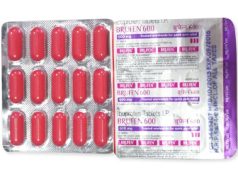
Leading ibuprofen brands include Nurofen, Advil, and Brufen, available in various strengths and formulations including liquid capsules for faster absorption. Aspirin options such as Aspro, Cartia, and Solprin offer both pain relief and cardiovascular benefits when used as directed.
However, NSAIDs can irritate the stomach lining and may not be suitable for everyone. Those with stomach ulcers, kidney problems, or taking blood thinners should consult their pharmacist before use. Taking NSAIDs with food can help minimise stomach upset.
Topical temperature therapy offers targeted relief without systemic medication effects. Heat therapy works by increasing blood flow to affected areas, helping to relax muscle tension and reduce stiffness. Heat patches and wraps provide convenient, long-lasting warmth for chronic conditions like arthritis or muscle strain.
Cold therapy is ideal for acute injuries, reducing swelling and numbing pain. Instant cold packs are perfect for sports injuries, whilst reusable gel packs offer flexibility for ongoing treatment. Thermal creams and gels provide the benefits of heat therapy in an easy-to-apply format, gradually warming the skin upon application.
Topical pain relief medications deliver active ingredients directly to the affected area, minimising systemic side effects whilst maximising local relief.
Anti-inflammatory gels like Voltaren Emulgel and Nurofen Gel contain diclofenac or ibuprofen respectively, providing targeted NSAID action for joint and muscle pain. These are particularly effective for:
Menthol-based products such as Deep Heat and Tiger Balm create cooling and warming sensations that help distract from pain whilst improving circulation. Capsaicin creams, derived from chilli peppers, are especially beneficial for nerve pain conditions.
When applying topical treatments, always wash hands thoroughly afterwards, avoid contact with eyes and broken skin, and test on a small area first to check for sensitivity reactions.
Managing arthritis pain effectively requires a comprehensive approach that combines targeted supplements with proven therapeutic ingredients. Glucosamine and chondroitin supplements remain cornerstone treatments for joint health, working to support cartilage structure and reduce inflammation. These supplements are particularly effective when used consistently over extended periods, with many Australians experiencing noticeable improvements in joint mobility and comfort within 6-8 weeks of regular use.
Specialised joint health formulations often combine multiple active ingredients, including MSM (methylsulfonylmethane), turmeric, and boswellia, to provide comprehensive support for arthritic joints. Fish oil and omega-3 supplements play a crucial role in managing inflammatory responses, with studies showing that regular omega-3 intake can significantly reduce joint stiffness and pain levels. For optimal results, look for high-potency fish oil supplements with EPA and DHA concentrations that meet therapeutic dosing requirements.
Sports injuries and muscle strains require immediate attention followed by targeted recovery support. Immediate care products include cooling gels, anti-inflammatory creams, and compression supports that help reduce swelling and provide pain relief during the critical first 48 hours after injury. These products are essential for preventing minor injuries from developing into more serious conditions.
Recovery-focused treatments encompass a range of products designed to accelerate healing and restore normal function. Key recovery aids include:
Magnesium supplementation is particularly beneficial for active Australians, as it supports proper muscle function and helps prevent exercise-induced cramping.
Tension headaches are among the most common pain complaints, often responding well to over-the-counter treatments when used appropriately. Fast-acting paracetamol formulations provide reliable relief for most tension headaches, with rapid-release and liquid formulations offering quicker onset of action. Many Australians find combination medications containing paracetamol and caffeine particularly effective, as caffeine enhances pain relief and helps address the fatigue often associated with headaches.
Managing tension headaches also involves identifying and addressing underlying triggers. Common lifestyle factors include dehydration, poor posture, stress, and irregular sleep patterns. Maintaining adequate hydration, regular exercise, and stress management techniques can significantly reduce the frequency and intensity of tension headaches.
Migraine management requires specialised approaches, as these headaches involve complex neurological processes. Sumatriptan remains the gold standard for acute migraine treatment, though it requires a prescription from your GP or specialist. For those seeking pharmacy-available options, preventive supplements have shown promising results in clinical studies.
Evidence-based preventive supplements include magnesium, which can reduce migraine frequency when taken regularly, and Coenzyme Q10, which supports cellular energy production and may help prevent migraine onset. Natural alternatives such as feverfew and butterbur extracts have traditional use in migraine prevention, though individual responses vary. Many Australians benefit from combining these natural approaches with lifestyle modifications including regular sleep schedules, dietary trigger identification, and stress reduction techniques.
Many Australians are turning to natural herbal remedies as complementary options for managing pain and inflammation. These traditional medicines, now available in standardised supplement forms, offer gentle alternatives for those seeking natural pain management solutions.
Turmeric supplements, containing the active compound curcumin, have gained significant recognition for their anti-inflammatory properties. Studies suggest they may help reduce joint pain and inflammation associated with arthritis. Willow bark extract, nature's original aspirin, contains salicin which converts to salicylic acid in the body, providing natural pain relief for headaches and minor aches.
Arnica preparations are particularly popular for treating bruises, sprains, and minor sports injuries, helping to reduce swelling and promote healing. Devil's claw, a traditional African remedy, has shown promising results for managing joint pain and improving mobility in people with arthritis and back pain.
Beyond herbal remedies, various complementary therapies can support pain management. Essential oils such as eucalyptus, peppermint, and lavender offer natural analgesic properties when applied topically or used in aromatherapy. TENS (Transcutaneous Electrical Nerve Stimulation) machines provide drug-free pain relief by delivering gentle electrical impulses to interrupt pain signals. Portable acupuncture point stimulators offer modern takes on traditional pressure point therapy, providing convenient pain management options for home use.
Proper medication use is crucial for safe and effective pain relief. Always follow dosage instructions and be aware of potential drug interactions, especially if you're taking multiple medications or have underlying health conditions. Maximum daily dosages should never be exceeded, as this can lead to serious side effects or organ damage.
Special populations require extra consideration:
While over-the-counter pain relief is suitable for many situations, certain circumstances require professional medical attention. Persistent pain lasting more than several days, severe pain that doesn't respond to standard treatments, or pain accompanied by fever, swelling, or other concerning symptoms warrant immediate consultation with a healthcare provider. Our qualified pharmacists are available to help you select appropriate pain relief options and can advise when medical assessment is necessary for your safety and wellbeing.