Sleep disorders affect millions of Australians, with insomnia being one of the most prevalent issues impacting our daily lives. Common sleep problems include difficulty falling asleep, frequent night-time awakenings, early morning wake-ups, and non-restorative sleep that leaves you feeling tired despite adequate sleep duration.
You might benefit from sleeping aids if you experience persistent sleep difficulties lasting more than a few nights, especially when accompanied by daytime fatigue, difficulty concentrating, mood changes, or reduced work performance. These symptoms can significantly impact your quality of life and overall wellbeing.
Short-term sleep problems often result from stress, travel, illness, or environmental changes and typically resolve within a few weeks. Long-term sleep issues persist for months or years and may indicate underlying health conditions requiring professional attention.
Consult your GP or pharmacist before starting any sleep medication, particularly if you have existing health conditions, take other medications, or experience sleep problems for more than two weeks. They can help identify underlying causes and recommend appropriate treatment options.
Always read product labels carefully, avoid alcohol consumption when using sleep aids, and never exceed recommended dosages. Be aware of potential interactions with other medications and discuss your sleep concerns with healthcare professionals.
Popular antihistamine sleep aids available in Australian pharmacies include Restavit (doxylamine), Dozile, and Unisom. These medications work by blocking histamine receptors in the brain, promoting drowsiness and helping you fall asleep more easily.
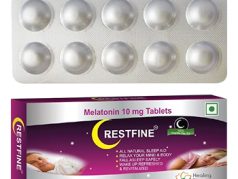
Melatonin is a naturally occurring hormone that regulates sleep-wake cycles. Available as tablets, capsules, and liquid formulations, melatonin supplements can be particularly helpful for shift workers and those experiencing jet lag or circadian rhythm disruptions.
Natural sleep aids offer gentle alternatives for those preferring herbal solutions:
Follow manufacturer instructions carefully and start with the lowest effective dose. Most sleep aids should be taken 30-60 minutes before bedtime with adequate time for 7-8 hours of sleep. Avoid driving or operating machinery after taking sleep medication.
When over-the-counter options aren't sufficient, prescription sleep medications may be necessary under medical supervision. In Australia, several types of prescription sleeping tablets are available through the Pharmaceutical Benefits Scheme (PBS) and private prescriptions.
Z-drugs, including zopiclone (Imovane) and zolpidem (Stilnox), are commonly prescribed short-term sleep aids that work by enhancing GABA neurotransmitter activity. These medications typically provide 6-8 hours of sleep with minimal next-day drowsiness when used appropriately.
Benzodiazepines such as temazepam may be prescribed for severe sleep disorders, though they're generally recommended for short-term use due to dependency potential. Some antidepressants with sedating properties, like mirtazapine or amitriptyline, may be prescribed when sleep issues are linked to depression or anxiety.
To obtain prescription sleep medications in Australia, consult your GP who can assess your sleep concerns and medical history. They may refer you to a sleep specialist if necessary. Many prescription sleep aids require careful monitoring and gradual discontinuation to prevent withdrawal symptoms.
Many Australians prefer natural approaches to improve their sleep quality, with numerous non-pharmaceutical options available through pharmacies and health stores.
Essential sleep accessories include comfortable pillows, blackout curtains, and white noise machines. Eye masks and earplugs can create an optimal sleep environment, whilst weighted blankets may help reduce anxiety and promote deeper sleep.
Herbal sleep teas containing combinations of chamomile, lemon balm, and passionflower offer a gentle, caffeine-free evening ritual. Many Australians find these natural approaches effective for mild sleep disturbances without the side effects associated with pharmaceutical options.
Older Australians often require specialised sleep support due to age-related changes in sleep patterns and medication sensitivities. Lower-dose melatonin supplements and gentle herbal remedies like passionflower are typically recommended for seniors, as they pose fewer risks of dependency or adverse reactions with existing medications.
Working Australians dealing with shift work or high-stress careers may benefit from short-acting sleep aids that don't cause morning grogginess. Natural options like magnesium supplements or chamomile tea can provide gentle support without impacting next-day performance.
Pregnant and breastfeeding mothers should prioritise non-pharmaceutical approaches such as pregnancy-safe herbal teas, relaxation techniques, and comfortable sleep positioning aids. Always consult healthcare providers before using any sleep aids during pregnancy or whilst breastfeeding.
For Australian travellers crossing time zones, melatonin supplements can help reset circadian rhythms. Short-term use of mild sleep aids may assist with international travel adjustment, particularly for business travellers requiring quick adaptation to new schedules.
Sleep aids range from natural herbal supplements to pharmaceutical options, each with distinct benefits and considerations. Herbal remedies like valerian root and passionflower offer gentle support with minimal side effects, whilst melatonin helps regulate natural sleep cycles. Antihistamine-based sleep aids provide stronger effects but may cause drowsiness the following day.
Common side effects of sleep aids include morning drowsiness, dizziness, and potential dependency with long-term use. It's crucial to review current medications with your pharmacist, as sleep aids can interact with blood thinners, antidepressants, and other prescription medications commonly used by Australians.
Sleep aids work best when combined with proper sleep hygiene practices:
Consult your GP or pharmacist if sleep problems persist beyond two weeks, if you experience severe side effects, or if sleep aids become less effective over time. Professional guidance is essential for managing chronic insomnia or sleep disorders that may require comprehensive treatment approaches beyond over-the-counter solutions available in Australian pharmacies.