
Bisacodyl
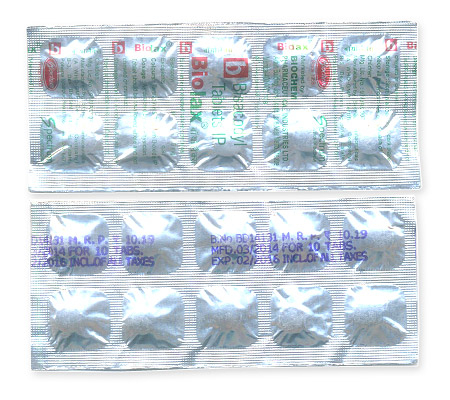
Bisacodyl
- In Australia, you can purchase bisacodyl over the counter without a prescription at pharmacies.
- Bisacodyl is used to relieve constipation. It acts as a contact (stimulant) laxative that increases peristalsis by directly stimulating the intestinal mucosa and nerve plexus.
- The usual dosage for adults is 5–10 mg before bedtime, while for children aged 6 and over, it is typically 5 mg.
- It is administered orally in the form of film-coated tablets or as a suppository.
- The onset time for bisacodyl is approximately 6–12 hours when taken orally and about 15–60 minutes when administered rectally.
- The duration of action can be 24 hours for oral doses and up to several hours for rectal forms.
- It is advisable to avoid alcohol while taking bisacodyl to prevent dehydration and electrolyte imbalance.
- The most common side effect is abdominal cramps.
- Would you like to try bisacodyl without a prescription?






Basic Bisacodyl Information
- International Nonproprietary Name (INN): Bisacodyl
- Brand names available in Australia: Dulcolax, Bisalax
- ATC Code: A06AB02
- Forms & dosages: 5 mg tablets, 10 mg suppositories
- Manufacturers in Australia: Sanofi (Dulcolax)
- Registration status in Australia: Registered
- OTC / Rx classification: Pharmacy medicine (S2)
Everyday Use & Best Practices
When it comes to bisacodyl, timing plays a critical role for optimal results. Most Australians prefer taking it at night to allow for natural bowel movements the next morning. This routine fits seamlessly with typical daily structures, where morning relief is highly valued.
On the flip side, morning dosing can be advantageous for those who need immediate relief before heading out for work or engaging in social events. It’s crucial for patients to establish a dosing routine that aligns with their individual lifestyles, ensuring they remain consistent for best effectiveness.
Taking With or Without Meals
Bisacodyl offers the flexibility of being consumed either on an empty stomach or alongside meals. However, those prone to stomach discomfort may find it beneficial to take the medication with food to reduce the likelihood of abdominal cramps, a common side effect. Monitoring personal tolerance is advisable, as each individual may react differently to the stimulant laxative.
Staying hydrated is particularly important for anyone experiencing increased bowel movements; adequate fluid intake will help mitigate side effects and enhance the medication’s effectiveness. Ensuring a balanced approach to diet and hydration while using bisacodyl can lead to a more seamless experience.
User Testimonials
Many Australian patients report satisfactory results when using bisacodyl for constipation. Common feedback highlights effective relief from constipation symptoms within hours. Users often praise its quick action and minimal side effects when taken as directed. The ease of administration, particularly through tablets or suppositories, is frequently mentioned as a contributing factor to positive experiences. People have expressed appreciation for being able to find relief from discomfort that often accompanies constipation. Stories of avoiding disruption to daily life during outings due to newfound bowel regularity are common.
Conversely, some users share their struggles, voicing concerns over gastrointestinal discomfort. Issues such as cramps or diarrhoea are frequently reported, especially among those who inadvertently overdose or have sensitive digestive systems. Insights shared on forums like ProductReview indicate a pressing need for enhanced patient education regarding appropriate dosing. Many users emphasise that understanding how to use bisacodyl safely is crucial for an optimal experience. Balancing its effectiveness with knowledge about its potential side effects can significantly improve user satisfaction.
Buying Guide
In Australia, bisacodyl is easily accessible at various pharmacies, including Chemist Warehouse, Priceline, and TerryWhite Chemmart. These outlets typically offer bisacodyl in multiple formats, such as tablets and suppositories. It's advisable to purchase from reputable sources to ensure product quality and safety.
Price comparisons can benefit potential buyers, particularly those using bisacodyl regularly. Under the Pharmaceutical Benefits Scheme (PBS), eligible consumers can access bisacodyl at a subsidised cost, leading to significant savings. In contrast, prices without PBS coverage can fluctuate widely. Tablets commonly range from AUD 6 to AUD 15, depending on the brand and packaging. Being vigilant about comparing prices across different pharmacies can lead to additional savings, especially for frequent users. Taking the time to shop around might just make a difference.
What’s Inside & How It Works
Bisacodyl contains active ingredients that stimulate intestinal peristalsis, promoting bowel movements. This stimulant laxative ensures that stool is softened adequately, reducing straining during defecation. Typical formulations in Australia include 5 mg tablets and 10 mg suppositories, which have become household staples for managing constipation.
Understanding how bisacodyl functions can empower users. As a stimulant laxative, it increases mucous secretions in the intestines and triggers nerve endings in the colon, prompting muscle contractions. This dual action facilitates the movement of stool through the colon, providing timely relief from constipation. Users can generally expect the onset of action within 6 to 12 hours when taken orally, while suppositories can deliver quicker results. Knowing these basics can clarify what to anticipate, making the experience less daunting for individuals seeking relief.
Main Indications
Bisacodyl is a medication primarily known for its role as a stimulant laxative. It effectively addresses occasional constipation and is often employed in preparing patients for medical procedures that necessitate bowel evacuation, including colonoscopies. The Therapeutic Goods Administration (TGA) has approved bisacodyl for these uses, and manufacturers provide specific guidelines tailored to meet various patient needs.
Off-Label Uses in Australian Clinics
In clinical practice, while bisacodyl is predominantly prescribed for constipation, some Australian clinics may apply it off-label for additional gastrointestinal issues. This can include bowel preparation before surgeries, depending on the physician’s clinical judgement, reflecting the flexibility in treatment options available to healthcare professionals.
Interaction Warnings
Understanding how bisacodyl interacts with food and other medications is essential for safe usage. For instance, consuming alcohol while taking bisacodyl can lead to increased dehydration, while caffeine found in coffee may have diuretic effects, compounding potential issues.
The Australian diet is generally rich in fibre, which contributes positively to gut health. However, it’s crucial for users of bisacodyl to maintain adequate hydration to ensure maximum effectiveness of the laxative and to lessen side effects.
Some drugs may conflict with bisacodyl, especially diuretics which heighten the risk of electrolyte imbalances. The TGA advises consulting with a healthcare professional, such as a pharmacist or doctor, to identify potential interactions, particularly for patients managing multiple medications or those with chronic conditions.
Latest Evidence & Insights
Recent research, particularly from studies conducted between 2022 and 2025, has reinforced the efficacy and safety profile of bisacodyl when adhered to appropriately. Findings published in the Australian Journal of General Practice have consistently reported favourable outcomes in bowel management for individuals suffering from constipation. Comparative studies between various stimulant laxatives also indicate that user satisfaction remains notably high.
Alternative Choices
For those considering alternatives to bisacodyl, several other laxatives fit the bill. Options include sennosides and osmotic agents like lactulose. Evaluating these alternatives based on their pros and cons can help make a more informed decision:
| Laxative Type | Pros | Cons |
|---|---|---|
| Sennosides (Senna) | May be gentler on the stomach | Possible cramping; longer onset |
| Lactulose | Softens stool; well-tolerated | Requires higher fluid intake; may lead to gas |
| Polyethylene Glycol | Very effective for chronic cases | Some find it less palatable |
Regulation Snapshot
Bisacodyl is classified as a Schedule 2 (S2) pharmacy medicine under the TGA, which allows it to be sold over-the-counter in Australia without a prescription. This classification is consistent with its inclusion in the Pharmaceutical Benefits Scheme (PBS), making it accessible to many Australians at a subsidised cost. Pharmacists must follow regulatory guidelines when dispensing bisacodyl to ensure patients receive necessary counselling and support.
FAQ Section
Several common questions arise in Australian pharmacies regarding bisacodyl use:
Can I take bisacodyl every day?
It’s not recommended to use bisacodyl daily without medical guidance. Prolonged reliance on laxatives can diminish bowel function.
What should I do if I miss a dose?
If a dose is forgotten, take it as soon as possible unless it's nearing the next scheduled dose. Avoid doubling up.
Are there any dietary restrictions while taking bisacodyl?
There are no strict dietary constraints; however, maintaining hydration and a balanced diet can enhance its efficacy and mitigate side effects.
Guidelines for Proper Use
When dispensing bisacodyl, Australian pharmacists should offer clear, empathetic advice. It’s crucial to encourage adherence to dosing instructions and emphasise the importance of lifestyle modifications for long-term bowel health.
According to PBS and national health authorities, bisacodyl should only be employed as needed. Patients benefit from understanding their constipation triggers and adopting a fibre-rich diet along with adequate hydration to maintain optimal gastrointestinal health.
| City | Region | Delivery Time |
|---|---|---|
| Sydney | New South Wales | 5-7 days |
| Melbourne | Victoria | 5-7 days |
| Brisbane | Queensland | 5-7 days |
| Adelaide | South Australia | 5-7 days |
| Perth | Western Australia | 5-7 days |
| Hobart | Tasmania | 5-9 days |
| Canberra | Australian Capital Territory | 5-7 days |
| Gold Coast | Queensland | 5-9 days |
| Newcastle | New South Wales | 5-9 days |
| Geelong | Victoria | 5-9 days |
| Wollongong | New South Wales | 5-9 days |
| Cairns | Queensland | 5-9 days |
| Sunshine Coast | Queensland | 5-9 days |
| Launceston | Tasmania | 5-9 days |
| Ballarat | Victoria | 5-9 days |