Esomeprazole
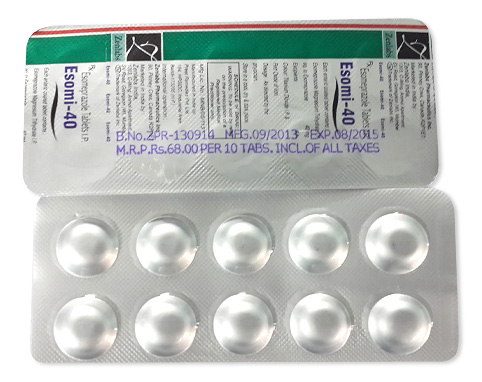
Esomeprazole
- You can purchase esomeprazole without a prescription in our pharmacy, with delivery available throughout Australia.
- Esomeprazole is used for the treatment of gastroesophageal reflux disease (GERD) and erosive esophagitis, functioning as a proton pump inhibitor that reduces gastric acid production.
- The usual dosage of esomeprazole is 20mg to 40mg daily, depending on the condition being treated.
- The form of administration is a delayed-release tablet, granules for oral suspension, or IV injection.
- The onset of action typically occurs within 1 to 2 hours after oral administration.
- The duration of action lasts for up to 24 hours.
- It is advised to avoid alcohol while taking esomeprazole.
- The most common side effect is headache.
- Would you like to try esomeprazole without a prescription?

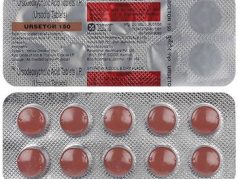
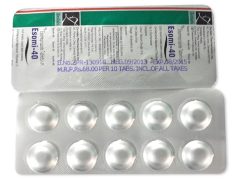
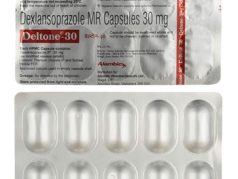
Basic Esomeprazole Information
- International Nonproprietary Name (INN): Esomeprazole
- Brand Names Available in Australia: Nexium, Emozul, Esmep
- ATC Code: A02BC05
- Forms & Dosages: Tablets (20mg, 40mg), granules, IV powder
- Manufacturers in Australia: AstraZeneca, Teva, generic suppliers
- Registration Status in Australia: Approved by TGA, including OTC options
- OTC / Rx Classification: Available as both prescription and over-the-counter
Everyday Use & Best Practices
Managing heartburn can often feel overwhelming, especially for those suffering from gastroesophageal reflux disease (GERD). One useful tool in navigating this condition is esomeprazole. Here are some tips to make the most of this medication.
Morning Vs Evening Dosing (Australian Daily Routines)
Using esomeprazole consistently at the same time each day helps control symptoms effectively. In Australia, many prefer taking it in the morning to fit their daily routines. This timing can prevent daytime heartburn, particularly after meals like breakfast, when many experience increased symptoms.
However, evening dosing may also benefit those who find their heartburn intensifies with late-night meals. By understanding personal routines and symptoms, individuals can decide which time might work best for them.
Taking With Or Without Meals
Esomeprazole's versatility means it can be taken before meals or even on an empty stomach.
In Australia, a common recommendation is to take the medication 30 minutes to an hour before breakfast. This timing enhances absorption and aligns with the typical dietary habit of having an early breakfast, maximising effectiveness.
It's essential to discuss specific recommendations with healthcare providers, ensuring tailored advice based on individual health needs. For instance, if considering using antacids with esomeprazole, checking compatibility is vital.
In summary, making the most of esomeprazole involves understanding when to take it for maximum benefit. Whether opting for morning or evening doses, as well as when to take it relative to meals, can significantly improve daily management of symptoms.
Buying Guide
When it comes to purchasing esomeprazole in Australia, the options are plentiful and convenient.
Pharmacy sources (Chemist Warehouse, Priceline, TerryWhite Chemmart)
Esomeprazole can be found at major pharmacy chains including Chemist Warehouse, Priceline, and TerryWhite Chemmart. Each of these retailers offers a mix of both prescription and over-the-counter options. This is especially beneficial for those needing lower strength versions, as it allows for easy access without requiring a doctor's note.
For cost-conscious patients, generic versions of esomeprazole are also available, making treatment more affordable. It helps to compare products across different pharmacies to get the best price.
Price comparison (PBS vs private)
The cost of esomeprazole can vary significantly based on its availability through the Pharmaceutical Benefits Scheme (PBS). Eligible patients might only need to pay a small copayment, which provides substantial savings on their medication. Conversely, opting for non-PBS medications without a prescription may lead to higher out-of-pocket expenses.
Patients should also explore their private health insurance coverage, which may offer additional benefits or savings. Understanding all available coverage options is essential for managing expenses effectively.
What’s Inside & How It Works
People often wonder what really goes into the medications they take and how they work. Let's break it down clearly.
Ingredients overview
Esomeprazole primarily contains esomeprazole magnesium or esomeprazole sodium. These active ingredients are classified as proton pump inhibitors (PPIs), designed to reduce gastric acid production in the stomach.
Conditions like gastroesophageal reflux disease (GERD) and erosive esophagitis are commonly treated with this medication. It's crucial to check the packaging for other inactive ingredients, as some could potentially cause allergies or sensitivities in certain patients.
Mechanism basics explained simply
The magic of esomeprazole lies in its mechanism of action. It inhibits the proton pump within the stomach's parietal cells. This leads to a significant decrease in acid production.
By lessening the amount of acid, esomeprazole promotes healing of the gut lining, alleviating symptoms of acid reflux. For many patients, this makes controlling their condition much easier.
Main Indications
Esomeprazole is a commonly prescribed medication. Understanding its approved uses can help patients make informed decisions about their health management.
Approved uses under TGA
In Australia, the Therapeutic Goods Administration (TGA) approves esomeprazole for various indications including:
- Gastroesophageal reflux disease (GERD).
- Erosive esophagitis.
- Eradication of Helicobacter pylori as part of a triple therapy regimen.
- Zollinger-Ellison syndrome.
Off-label uses in Australian clinics
On occasion, healthcare providers may prescribe esomeprazole for off-label purposes. An example is using it for the prevention of ulcers related to non-steroidal anti-inflammatory drugs (NSAIDs). This approach typically occurs when the anticipated benefits surpass known risks, especially for patients with a history of ulcers or gastrointestinal concerns.
Clinicians are responsible for documenting such off-label uses, ensuring that all decisions are carefully considered and recorded in medical records.
Interaction Warnings
Awareness of interactions is critical when taking esomeprazole. Patients should stay informed to avoid complications.
Food interactions (alcohol, coffee, Australian diet context)
Australia’s dietary habits often include coffee and alcohol, both of which can interact negatively with esomeprazole. Consuming excessive alcohol can exacerbate the stomach's vulnerability and lead to increased discomfort.
For optimal treatment efficacy, it's advised to limit these items while on esomeprazole. Incorporating a balanced diet may also contribute positively to overall digestive health.
Drug conflicts tracked by TGA & PBS
Patients should also be aware of potential drug interactions with esomeprazole. Notable examples include warfarin and certain types of antiretroviral medications. Such interactions can significantly alter drug metabolism, leading to complications.
Following the TGA's recommendations is crucial. Self-medication without consulting healthcare providers can be risky. Always inform them of all medications being taken, and refer to PBS listings to check for potential interactions.
Latest Evidence & Insights
Recent studies between 2022 and 2025 have reinforced the effectiveness of esomeprazole, particularly in treating gastroesophageal reflux disease (GERD). A major Australian study demonstrated significant improvements in symptom scores and quality of life among patients treated with esomeprazole. The findings align with international research suggesting that esomeprazole's efficacy remains steadfast, even with long-term use. However, there are considerations regarding prolonged treatment. Investigations have indicated that extended use could lead to deficiencies in critical vitamins and minerals, raising potential health risks. Patients are encouraged to maintain open communication with healthcare providers about their treatment plans to ensure proper monitoring and adjustments as needed. Engaging in lifestyle modifications alongside the pharmacological approach can further optimize the treatment outcomes for GERD. These insights emphasise the importance of balancing the benefits of esomeprazole with possible long-term implications, forming a crucial dialogue between patients and healthcare professionals about managing GERD effectively.Alternative Choices
When it comes to alternatives to esomeprazole, several PBS-listed options exist, each with their advantages and downsides. This assists patients in making informed decisions tailored to individual health profiles. | Medication | Pros | Cons | |-------------------|--------------------------------------|-------------------------------------| | Esomeprazole | Effective, longer duration of action | Potential risk of deficiencies | | Omeprazole | Generally lower cost | Possible lesser efficacy for chronic use | | Pantoprazole | Fewer reports of side effects | May not be as effective for GERD | Ongoing conversations with pharmacists or healthcare providers can shed light on the most suitable options. For instance, while omeprazole is a cost-friendly alternative, some patients may find esomeprazole more effective for their specific conditions. Understanding these nuances can greatly enhance treatment satisfaction and outcomes.Regulation Snapshot
Esomeprazole's regulatory landscape is rigorous, managed under the Therapeutic Goods Administration (TGA) in Australia. As a result, esomeprazole adheres to strict quality and efficacy standards, ensuring safety for consumers. Furthermore, it's included on the Pharmaceutical Benefits Scheme (PBS), allowing eligible patients to access subsidised treatment, making it more affordable for those needing long-term care. This regulatory structure is designed to safeguard patient health while ensuring that effective medications are widely accessible across Australia. Maintaining compliance with these guidelines guarantees that patients receive not only well-regulated medication but also comprehensive information regarding its use and potential side effects.FAQ Section
Confusion often surrounds medications like esomeprazole. Here are some common questions posed during pharmacy consultations: 1. **Can I take esomeprazole after a meal?** - While it’s advised to take it before meals for optimal effect, if a dose is missed, it can typically be taken afterwards. 2. **Can I take esomeprazole while pregnant?** - It is crucial to consult with a healthcare provider as the benefits versus risks should be thoroughly evaluated. 3. **Does esomeprazole cause weight gain?** - Weight gain is not a commonly reported side effect, although some individuals may experience changes. These questions highlight the need for clear communication between patients and pharmacists. Accurate information can help in avoiding mistakes and enhancing treatment adherence.Guidelines for Proper Use
Pharmacists play a vital role in guiding patients on the proper use of esomeprazole. They offer key advice on dosing, timing, and potential interactions, making it easier for individuals to integrate medication into their daily lives. Key points include: - Following prescribed dosages strictly. - Keeping track of symptoms to identify side effects promptly. - Scheduling regular check-ins with healthcare providers to monitor efficacy. Health authorities recommend that patients remain informed about their treatment duration and the necessity of reevaluations to optimise therapeutic outcomes. Combining esomeprazole therapy with lifestyle and dietary changes is equally paramount. Effective communication with pharmacists ensures that patients are well-supported in their journey towards managing GERD.Delivery Information
| City | Region | Delivery Time |
|---|---|---|
| Sydney | NSW | 5–7 days |
| Melbourne | VIC | 5–7 days |
| Brisbane | QLD | 5–7 days |
| Perth | WA | 5–7 days |
| Adelaide | SA | 5–7 days |
| Hobart | TAS | 5–9 days |
| Canberra | ACT | 5–7 days |
| Gold Coast | QLD | 5–9 days |
| Newcastle | NSW | 5–9 days |
| Wollongong | NSW | 5–9 days |
| Cairns | QLD | 5–9 days |
| Sunshine Coast | QLD | 5–9 days |
| Geelong | VIC | 5–9 days |
| Central Coast | NSW | 5–9 days |
| Ballarat | VIC | 5–9 days |