
Nexium
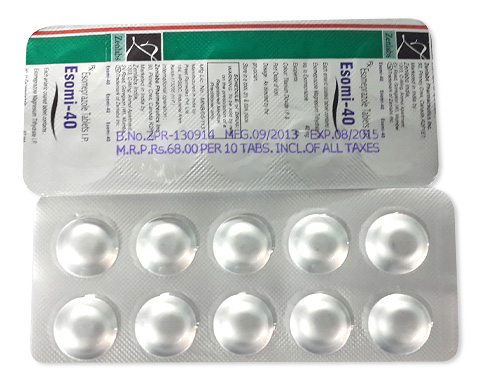
Nexium
- Nexium can be purchased at pharmacies throughout Australia without a prescription, including in both original and generic forms.
- Nexium is used to treat gastroesophageal reflux disease (GERD), erosive esophagitis, duodenal and gastric ulcers, Zollinger-Ellison Syndrome, and to reduce the risk of NSAID-associated ulcers. It works by inhibiting the proton pump in the stomach lining, thereby reducing the production of stomach acid.
- The usual dosage of Nexium varies: for GERD, it is typically 20–40 mg once daily, and for H. pylori eradication, it can be 20 mg twice daily.
- The form of administration is available as film-coated tablets, gastro-resistant granules, and intravenous powder.
- The onset of action for Nexium is generally within 1-2 hours after taking the oral formulation.
- The duration of action is approximately 24 hours.
- It is advised to avoid alcohol while taking Nexium.
- The most common side effect is headache, while other side effects may include nausea, diarrhea, and abdominal pain.
- Would you like to try Nexium without a prescription?





Basic Nexium Information
- INN (International Nonproprietary Name): Esomeprazole
- Brand names available in Australia: Nexium, Nexium Control, Vimovo
- ATC Code: A02BC05
- Forms & dosages: Tablets (10 mg, 20 mg, 40 mg), Gastro-resistant granules (10 mg), IV powder
- Manufacturers in Australia: AstraZeneca, Sandoz, Mylan, several generics
- Registration status in Australia: Approved, prescription and OTC availability
- OTC / Rx classification: Prescription in most cases, OTC for 20 mg for short-term use
Everyday Use & Best Practices
Many Australian patients find that taking Nexium in the morning fits seamlessly into their daily routine. This is particularly relevant for those managing gastroesophageal reflux disease (GERD), as symptoms often peak during daytime hours. On the other hand, some individuals may benefit from taking their dose in the evening to alleviate symptoms that occur overnight. It’s essential for patients to monitor their symptom patterns and adjust their treatment timing accordingly.
Nexium can be taken with or without food, providing flexibility. However, consuming it before meals may enhance its effectiveness in addressing GERD and ulcer-related issues. Establishing consistency is vital; choosing a schedule that ensures daily adherence is crucial. Those who take other medications simultaneously should consult their healthcare professional to coordinate timing effectively, ensuring their treatment plan works harmoniously.
Safety Priorities
Not every patient is a candidate for Nexium. Individuals known to be hypersensitive to esomeprazole or other proton pump inhibitors should strictly avoid this medication. The Therapeutic Goods Administration (TGA) advises caution for those with severe liver impairment; dosage modifications may be necessary for these patients. Furthermore, there are considerations for users at risk for osteoporosis, ensuring that the duration of Nexium usage is monitored to minimise potential bone density concerns.
While Nexium is generally not considered impairing for driving, some users have reported dizziness or headaches as side effects. If this occurs, it's wise to avoid operating vehicles or heavy machinery until the individual knows how they personally react to the medication. Staying aware of these side effects ensures safer daily activities and workplace engagement.
Dosage & Adjustments
Dosage recommendations for Nexium can vary depending on the condition being treated. For adults with GERD, a common starting dose is 20 mg, typically administered once daily. Depending on individual response and medical advice, this dosage may be adjusted, particularly for those dealing with chronic conditions. Adhering to the Professional Bundled Services (PBS) guidelines is crucial for ensuring appropriate prescription availability and compliance.
Elderly patients often require careful consideration regarding their dosages to limit risks such as fractures or gastrointestinal infections. In the context of Indigenous health, healthcare providers should take into account comorbidities and access to health services when prescribing Nexium. This tailored approach not only supports effective health maintenance but also respects cultural nuances in healthcare delivery. Regular review of individual health conditions is essential for establishing the most suitable Nexium dosage regimen.
User Testimonials
Positive Reports from Australian Patients
Many Australians who have started using Nexium report significant relief from acid reflux and gastric ulcers. Common feedback highlights impressive improvements in typical symptoms, such as heartburn and overall discomfort. Patients appreciate how effective the medication is, often noting its rapid action in controlling severe episodes when taken as directed. Real stories shared in patient forums illustrate transformations in living with gastroesophageal reflux disease (GERD). People describe returning to their favourite meals without the worry of painful consequences. Nexium seems to provide a life-changing opportunity for those battling chronic acid-related conditions.
Common Challenges
While many experiences with Nexium are overwhelmingly positive, it's essential to address challenges faced by some users. Insightful discussions in forums reveal that some patients encounter side effects like headaches and gastrointestinal discomfort. Moreover, frustration often arises over the cost involved if not subsidised under the Pharmaceutical Benefits Scheme (PBS). So, what are the key takeaways from these patient insights? Regular dialogues with healthcare providers about ongoing side effects and exploring alternative options are crucial. Understanding both the benefits and challenges ensures patients can make informed decisions about their treatment.
Buying Guide
Pharmacy Sources
Nexium is widely accessible across Australia at major chains like Chemist Warehouse, Priceline, and TerryWhite Chemmart. The over-the-counter version, particularly Nexium Control 20 mg, can be snagged without a prescription for short-term relief. When looking to buy Nexium, comparing prices at these pharmacies is advisable to uncover the best deals, ensuring affordability doesn't become a barrier to treatment. Shopping smart ensures that patients can maintain their treatment plan without unnecessary financial stress.
Price Comparison
Understanding the cost of Nexium is crucial for patients. Prescription costs may vary significantly, especially with PBS subsidies available. Typically, patients paying through prescriptions benefit from reduced costs compared to over-the-counter purchases. It's beneficial to evaluate both options carefully and consult the PBS formulary, which lists available medications and their subsidy inclusion. A simple price check can lead to considerable savings, making managing acid reflux and ulcers more feasible for many Australians.
What’s Inside & How It Works
Ingredients Overview
The active ingredient in Nexium is esomeprazole, a trustable proton pump inhibitor (PPI). Available in various dosages, including 10 mg, 20 mg, and 40 mg tablets, it functions by reducing the production of gastric acid in the stomach. This reduction aids in healing erosions in the oesophagus and diminishing GERD symptoms, allowing for a smoother return to normal dietary habits. Patients keen on understanding their treatment will appreciate knowing the strengths available and which best fit their needs.
Mechanism Basics Explained Simply
Esomeprazole works by blocking the proton pumps in the stomach lining responsible for acid secretion. This mechanism alleviates conditions like GERD and peptic ulcers, providing tangible relief from associated pain and irritation. For patients grappling with reflux, grasping how Nexium tackles acidity can boost adherence to prescribed regimens. Moreover, knowing that rapid relief is often just a dose away may assist patients in managing their conditions more effectively.
Main Indications
When it comes to Nexium (esomeprazole), patients often wonder about its main uses and whether it's the right solution for their gastrointestinal issues. Nexium finds its place in treating conditions like GERD, erosive esophagitis, and both duodenal and gastric ulcers. It's a valuable player in the toolbox against *Helicobacter pylori* infections when combined with antibiotics. Knowing these main indications helps patients identify when to reach out for treatment options. However, what about its use outside these approved indications?
Off-Label Uses in Australian Clinics
In the realm of off-label prescribing, some health professionals might recommend Nexium for issues like chronic cough or general stomach discomfort not firmly linked to GERD. These alternative uses might offer benefit, yet keeping an open line of communication with healthcare providers is essential. This ensures a tailored treatment plan while mitigating any potential risks. Just because a medication is used for different conditions doesn’t mean it's always the right fit. An ongoing dialogue with a healthcare provider helps clarify these points.
Interaction Warnings
Alcohol and certain foods can interact with Nexium, leading to increased gastric discomfort. For those enjoying the typical Australian lifestyle, heavy coffee consumption is another factor that could potentially exacerbate issues. Moderation becomes key; balancing these habits with proper Nexium usage is vital for achieving desired health outcomes.
Drug Conflicts tracked by TGA & PBS
Medications like clopidogrel and warfarin may not mix well with Nexium, necessitating thorough monitoring. The Therapeutic Goods Administration (TGA) emphasizes the importance of disclosing all medications to healthcare providers. This step not only helps in avoiding adverse effects but also enhances treatment efficiency. Patients need to understand what they’re taking alongside Nexium to make educated decisions about their treatment.
Latest Evidence & Insights
Research from Australia and around the world from 2022 to 2025 highlights growing awareness regarding potential long-term risks associated with proton pump inhibitors (PPIs) like Nexium. Emerging evidence points to possible links between long-term use and renal complications. Discussions among healthcare professionals now focus on strategies for careful patient monitoring during prolonged use, sparking interest in suitable alternatives. Staying informed and seeking regular check-ups can aid in addressing needs as the understanding of these medications continues to evolve.
Delivery Times for Nexium in Australia
| City | Region | Delivery Time |
|---|---|---|
| Sydney | NSW | 5–7 days |
| Melbourne | VIC | 5–7 days |
| Brisbane | QLD | 5–7 days |
| Perth | WA | 5–7 days |
| Adelaide | SA | 5–7 days |
| Hobart | TAS | 5–9 days |
| Canberra | ACT | 5–7 days |
| Newcastle | NSW | 5–9 days |
| Gold Coast | QLD | 5–9 days |
| Cairns | QLD | 5–9 days |
| Geelong | VIC | 5–9 days |
| Central Coast | NSW | 5–9 days |
| Townsville | QLD | 5–9 days |
| Wollongong | NSW | 5–9 days |