Pepcid

Pepcid
- In our pharmacy, you can buy Pepcid without a prescription, with delivery available throughout Australia. Discreet and anonymous packaging.
- Pepcid is used for the treatment of gastric ulcers, duodenal ulcers, GERD, and heartburn. It acts as a histamine H2-receptor antagonist, reducing stomach acid production.
- The usual dosage for adults is 20 mg to 40 mg, depending on the condition being treated.
- The form of administration is available in tablets, chewable tablets, and orally disintegrating tablets.
- The effect of the medication begins within 30 to 60 minutes.
- The duration of action is approximately 10 to 12 hours.
- It is advisable to avoid alcohol while taking Pepcid.
- The most common side effect is headache.
- Would you like to try Pepcid without a prescription?

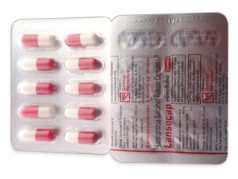
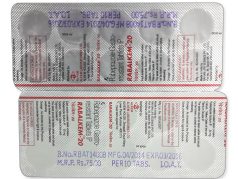

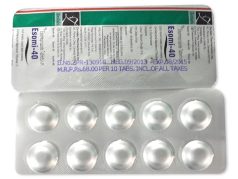
Basic Pepcid Information
- International Nonproprietary Name (INN): famotidine
- Brand names available in Australia: Pepcid, Pepcid AC
- ATC Code: A02BA03
- Forms & dosages: Tablets (10 mg, 20 mg, 40 mg), Powder for Suspension (40 mg/5mL), Chewable Tablets (10 mg, 20 mg)
- Manufacturers in Australia: Johnson & Johnson, McNeil Consumer Healthcare
- Registration status in Australia: OTC / Rx available
Everyday Use & Best Practices
Knowing when to take Pepcid can significantly enhance its effectiveness. For most Australians, a morning or evening dose can fit seamlessly into daily routines. For instance, taking Pepcid in the morning can provide relief throughout the day for those with recurring symptoms, while an evening dose might be more beneficial for night-time heartburn. It’s important to consider meal times as well; Pepcid should ideally be taken at least one hour before meals or at bedtime to ensure optimal absorption. This is especially pertinent when considering potential interactions with food or drinks, like coffee and alcohol that may aggravate gastric acid issues.
Taking With Or Without Meals
Food can significantly influence the absorption and effectiveness of Pepcid. When taken with meals, especially heavy dishes, the body might absorb the medication differently. To maximise its benefits, it is advisable to avoid heavy meals close to the time of dosing. Instead, aim for a lighter meal if taking Pepcid alongside food. For those looking to manage heartburn or GERD symptoms effectively, timing the dosage in relation to meals is crucial.
Safety Priorities
Understanding who should avoid Pepcid is essential for safety. According to TGA guidelines, individuals with a known allergy to famotidine or related H2 antagonists should steer clear. Additionally, if there are existing renal or hepatic impairments, consulting healthcare professionals before use is highly recommended. Special populations, like pregnant or breastfeeding individuals, must also seek medical guidance.
Activities To Limit
While taking Pepcid, there may be side effects like dizziness or fatigue that could impact alertness and coordination. Driving or operating heavy machinery might not be safe if experiencing such symptoms. Caution should be exercised, especially in workplace settings where focus is paramount. It may be wise to postpone complex tasks until comfortable with how the body is responding to the medication.
Dosage & Adjustments
For standard regimens, Pepcid dosages vary between adults and children, according to PBS guidelines. Generally, adults may take 20 mg twice daily for symptoms of GERD or 40 mg once daily for healing gastric ulcers. For children over 40 kg, the adult dosage is typically appropriate. PBS eligibility provides a framework for understanding how much Pepcid should be taken; further dosage references are available from local healthcare providers or online resources.
Special Cases
Particular care should be taken when prescribing Pepcid for special populations such as the elderly or Indigenous patients. Dosage adjustments may be necessary due to potential renal or hepatic concerns, requiring lower starting doses to mitigate risks. Consulting with healthcare professionals before initiating treatment is advised for tailored recommendations and safety.
User Testimonials
Experiences shared by Australian patients highlight a predominance of positive reports regarding Pepcid. Many users express satisfaction with the relief it provides from symptoms of heartburn and gastritis, emphasizing ease of access to Pepcid through local pharmacies. Online forums and health community platforms often showcase these testimonies, confirming its effectiveness in daily use.
Common Challenges
However, not every user experience is positive; common challenges reported include side effects like headache and constipation. Accessibility can also be an issue, especially for those needing higher strengths. Patients have found valuable assistance through forums and patient support resources, where troubleshooting advice is frequently shared. Engaging with these communities can often provide practical strategies for overcoming such hurdles.
Buying Guide
For those looking to buy Pepcid, it is widely available across Australia in both online and brick-and-mortar pharmacies such as Chemist Warehouse, Priceline, and TerryWhite Chemmart. Both over-the-counter and prescription options can be accessed. For budget-conscious patients, it’s worth noting the price difference when purchasing Pepcid through PBS subsidies versus private health insurance. Exploring options can assist in finding the most cost-effective solution for individual needs.
Price Comparison
When considering the price of Pepcid, understanding how purchasing with PBS subsidies contrasts with private health insurance can significantly impact overall costs. It’s advisable for patients to consult with their healthcare providers regarding eligibility for subsidies and to explore pharmacy pricing options to secure the best deals.
What’s Inside & How It Works
The effectiveness of Pepcid, known by its generic name famotidine, hinges on its carefully chosen blend of active and inactive ingredients. The primary active ingredient, famotidine, acts as an H2 receptor antagonist, crucial for its intended digestive health effects. In addition to famotidine, various inactive components help with formulation stability and absorption but have no therapeutic action.
Understanding these ingredients is essential, particularly if there are concerns about allergies or intolerance. Though rare, some patients may experience reactions to inactive ingredients, often excipients such as lactose or artificial colours included for tablet formulation. Awareness of these components plays a key role in ensuring safe and effective treatment.
Mechanism basics explained simply
Famotidine operates by blocking the action of histamine at the H2 receptors on stomach cells, which are responsible for producing gastric acid. This action effectively reduces the amount of acid released, aiding those with conditions like gastroesophageal reflux disease (GERD) and peptic ulcers. As a result, famotidine helps alleviate symptoms like heartburn and discomfort related to excess stomach acid.
Main Indications
Approved uses under TGA
Pepcid has specific, well-documented uses in Australia, primarily addressing conditions linked to excessive stomach acid like gastroesophageal reflux disease (GERD) and various forms of ulcers. It's often prescribed for active duodenal ulcers and gastric ulcers, providing significant relief from painful symptoms and promoting healing.
Off-label uses in Australian clinics
Beyond its approved indications, Pepcid is sometimes used off-label. It appears in discussions for conditions like Zollinger-Ellison syndrome or as an adjunct in managing heartburn during pregnancy. While anecdotal evidence suggests efficacy, such uses should always follow healthcare professional guidance to ensure safety and appropriateness for individual situations.
Interaction Warnings
Food interactions (alcohol, coffee, Australian diet context)
Patients taking Pepcid should be mindful of food and beverage interactions, particularly with alcohol and coffee. Both can increase stomach acidity or irritate the stomach lining, counteracting Pepcid's benefits. Given Australia's culturally diverse diet, certain spicy or high-fat foods may also exacerbate symptoms. It's advisable to track personal dietary habits alongside medication use.
Drug conflicts tracked by TGA & PBS
In terms of drug interactions, some common medications can pose risks when taken with Pepcid, including certain antifungal drugs and anticoagulants that may require monitoring. To avoid complications, it’s crucial that healthcare providers are made aware of all prescriptions and over-the-counter drugs being taken.
Latest Evidence & Insights
Recent clinical studies (2022-2025) have highlighted both the effectiveness and safety of Pepcid in treating gastric conditions. Findings emphasise its role not just in acid reduction but also in contributing towards better quality of life for patients suffering from chronic acid-related issues. Growing evidence from Australian clinics supports its ongoing relevance in contemporary treatment regimens, reflecting a positive trend in clinical practice.
Alternative Choices
When considering alternatives to Pepcid, a few medications serve similar purposes for treating heartburn and other gastric issues. Below are some important options:
- Zantac (Ranitidine)
- Pros: Effective for heartburn relief, widely known.
- Cons: Discontinued/restricted in many markets due to safety concerns. - Tagamet (Cimetidine)
- Pros: Good for treating ulcers and reflux.
- Cons: Increased risk of drug interactions. - Axid (Nizatidine)
- Pros: Similar mechanism to Pepcid, may provide relief.
- Cons: Less commonly available, more expensive. - Omeprazole (Nexium/Prilosec)
- Pros: Alternative class of drug, very effective for GERD.
- Cons: Longer onset time; different side effect profile.
Regulation Snapshot
The Therapeutic Goods Administration (TGA) in Australia is responsible for regulating famotidine-based drugs like Pepcid. This includes a rigorous approval process that evaluates the drug's safety, effectiveness, and quality before it can enter the market.
Once approved, famotidine-based medications can be subsidised under the Pharmaceutical Benefits Scheme (PBS), significantly increasing accessibility for Australian patients. This subsidy allows individuals to obtain Pepcid at a lower cost, making it more affordable for those suffering from conditions like heartburn and gastric ulcers.
FAQ Section
Patients often have several questions about Pepcid. Here are some frequent queries answered:
- Is Pepcid an antihistamine?
No, it is an H2 receptor antagonist that reduces stomach acid. - How much Pepcid to take for heartburn?
Typical dosage is 20 mg twice daily. However, it’s best to consult a healthcare professional. - Is Pepcid available in Australia?
Yes, Pepcid is available over the counter in Australian pharmacies. - Can I take Pepcid during pregnancy?
Consult a healthcare provider before taking any medication during pregnancy.
Guidelines for Proper Use
When dispensing Pepcid, Australian pharmacists often share the following tips:
- Follow Dosage Instructions: Always adhere to the prescribed dose. Commonly, it’s 20 mg twice a day for adults.
- Monitor Side Effects: Report any unusual side effects, such as headaches or dizziness, to your healthcare provider.
- Timing Matters: Taking Pepcid before meals can enhance its effectiveness.
- Hydration is Key: Drink plenty of water to help with the medication's absorption.
- Consult for Adjustments: If dealing with renal issues or other health complications, consult a healthcare provider for proper dosage.
New users or those considering Pepcid should know there are various strengths available, allowing adjustments to be made based on individual needs.
Delivery Details for Pepcid
| City | Region | Delivery Time |
|---|---|---|
| Sydney | NSW | 5–7 days |
| Melbourne | VIC | 5–7 days |
| Brisbane | QLD | 5–7 days |
| Perth | WA | 5–7 days |
| Adelaide | SA | 5–7 days |
| Gold Coast | QLD | 5–9 days |
| Cairns | QLD | 5–9 days |
| Hobart | TAS | 5–9 days |
| Canberra | ACT | 5–9 days |
| Newcastle | NSW | 5–9 days |
| Wollongong | NSW | 5–9 days |
| Geelong | VIC | 5–9 days |
| Sunshine Coast | QLD | 5–9 days |