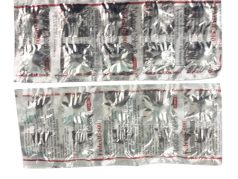
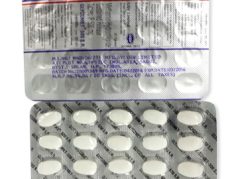
Telfast
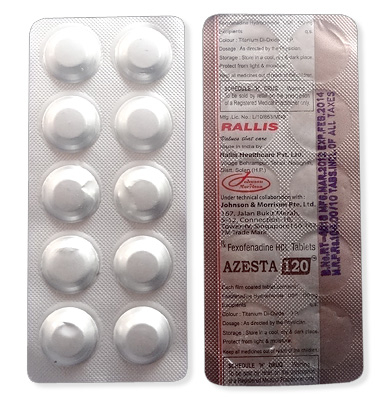
Telfast
- You can purchase Telfast without a prescription at pharmacies throughout Australia, with discreet and anonymous packaging.
- Telfast is used to relieve allergic symptoms such as hay fever and chronic hives. It works as a histamine H1-receptor antagonist, reducing the effects of histamine in the body.
- The usual dosage of Telfast varies: for adults and teens 12 years and older, it’s typically 60 mg twice daily or 120/180 mg once daily; for children aged 6-11 years, it’s 30 mg twice daily.
- The form of administration is a film-coated tablet, but it is also available as an oral suspension and oral disintegrating tablets.
- The effect of the medication usually begins within 1 hour.
- The duration of action is approximately 12–24 hours.
- It is advisable not to consume alcohol while taking Telfast.
- The most common side effect is headache.
- Would you like to try Telfast without a prescription?

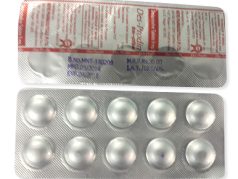
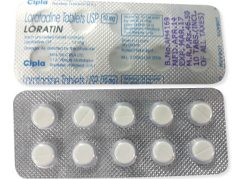


Basic Telfast Information
| INN (International Nonproprietary Name) | Fexofenadine (fexofenadine hydrochloride) |
|---|---|
| Brand Names Available In Australia | Telfast |
| ATC Code | R06AX26 |
| Forms & Dosages | Film-coated tablets, 30 mg, 60 mg, 120 mg, 180 mg |
| Manufacturers In Australia | Sanofi-Aventis, generic versions by Medichem, Cipla, Mylan, Sandoz |
| Registration Status In Australia | Registered with TGA, available OTC |
| OTC / Rx Classification | OTC |
Everyday Use & Best Practices
<h3:Morning Vs Evening Dosing (Australian Daily Routines)Planning when to take Telfast can make a significant difference in managing allergy symptoms. In Australia, the pollen levels often peak in the mornings, making it ideal for those suffering from allergies to take their dose in the morning. However, if someone finds that their symptoms are more bothersome in the evening or at night, taking Telfast in the late afternoon or evening can provide relief as well. Consider these practical tips to create your dosing schedule:
- Set reminders on your phone to take Telfast consistently.
- Align your dose with meals if it helps you remember; however, it can be taken with or without them.
- Track pollen forecasts and adjust your dosing time according to when you feel symptoms arise.
Taking With Or Without Meals
Food can affect the absorption of various medications, and it’s no different for Telfast. While this antihistamine can be taken with or without meals, it is advisable to avoid taking it with fruit juices like apple or grapefruit, as these can reduce its effectiveness. In practical terms, this means keeping Telfast readily accessible for your regular meals. If you prefer a routine, consider these meal planning ideas:
- Take Telfast with breakfast or lunch, as that may help to build a lasting routine.
- If you are dining out or have irregular meal times, try to maintain consistent dosing intervals regardless of food.
Safety Priorities
Who Should Avoid It (TGA Safety Notices)
Certain individuals may need to avoid Telfast due to safety considerations. The Therapeutic Goods Administration (TGA) recommends caution for individuals with a history of severe renal impairment, as effective dosing adjustments may be necessary for this group. Additionally, those with particular cardiac issues or hypersensitivities should consult with their healthcare professionals before starting treatment. Following TGA guidelines is crucial for ensuring safe usage among various demographics, and it’s wise to communicate fully with healthcare providers about any existing health conditions or medications.
Activities To Limit (Driving, Machinery, Workplace Safety)
While Telfast is generally a non-drowsy antihistamine, some patients may experience mild side effects, such as dizziness or fatigue. In this light, it’s important to exercise caution around safety-sensitive activities:
- If you are unsure how Telfast affects you, avoid driving or operating heavy machinery until you know.
- Be mindful of managing symptoms at work if your job requires high levels of concentration.
Dosage & Adjustments
General Regimen (PBS-Listed Guidelines)
According to the Pharmaceutical Benefits Scheme (PBS), Telfast is available in several dosages suitable for adults and children. For managing seasonal allergic rhinitis, adults typically take:
- 60 mg twice daily or 120 mg once daily
- 30 mg twice daily.
Special Cases (Elderly, Indigenous Health, Comorbidities)
Special considerations come into play for elderly patients and those with specific health backgrounds. In general, Telfast does not require dosage adjustment for the elderly unless they have renal impairment. Additionally, those with comorbidities or from Indigenous health backgrounds may benefit from tailored advice from healthcare professionals, considering the cultural sensitivity essential in patient care. Open communication about medication and health history remains a priority to ensure safety and effectiveness.
Understanding Telfast and Its Active Ingredient
When allergies strike, many wonder about the best relief options. Telfast is a go-to for many, but what does it actually do?
The active ingredient in Telfast is fexofenadine hydrochloride, a non-sedating antihistamine effective in treating symptoms of allergic rhinitis such as sneezing, runny nose, and itchy eyes.
This medication comes in various forms including:
- Tablets (30 mg, 60 mg, 120 mg, 180 mg)
- Oral suspension
- Oral disintegrating tablets
Availability may vary by region, with Telfast typically sold over the counter. Despite its common use, questions linger about its proper usage and potential interactions.
Dosage Guidelines and Recommendations
It's essential to consider standard dosages when using Telfast. Here’s a breakdown:
- Adults and teens (≥12 years): 60 mg twice daily or 120 mg to 180 mg once daily.
- Children (6-11 years): 30 mg twice daily, available as a suspension or disintegrating tablet.
- Children (2-5 years): Dosages typically depend on doctor recommendations.
In any case of missed dosage, the bottled instructions suggest taking as soon as possible but skipping it if it's close to the next dose. Overdosing can lead to symptoms like dizziness, drowsiness, and a dry mouth—serious cases would require immediate medical attention.
Why Telfast Stands Out
This antihistamine has carved a niche for itself largely due to its non-drowsy formulation. Unlike older antihistamines, Telfast rarely impacts alertness, making it suitable for everyday activities. However, the question remains—how does Telfast compare to similar products?
Alternatives like Claratyne and Zyrtec also provide effective relief but can cause drowsiness in some users. Telfast's unique formulation allows for a more active lifestyle during allergy season, making it an attractive choice.
Storage and Safety Precautions
It's important to store Telfast properly. The manufacturer suggests keeping it in its original packaging at room temperature (20–25°C), away from moisture to maintain its efficacy. For the oral suspension, refrigeration may be necessary after opening.
There are some contraindications to be aware of:
- Individuals with known hypersensitivity to fexofenadine
- Those experiencing severe renal impairment should proceed with caution
- While generally safe, pregnant or breastfeeding women should seek medical advice before use
Common Side Effects and Their Management
No medication is without its side effects. Some common ones associated with Telfast include:
- Headaches
- Drowsiness (although much less frequent than older antihistamines)
- Dizziness or fatigue
- Nausea
- Dry mouth
Monitoring how one's body reacts can guide future usage and inform discussions with a healthcare professional if adverse reactions persist.
Mixing Medications: What You Need to Know
It’s crucial to consider potential interactions if taking other medications. Many users often wonder, “Can I take Telfast with ibuprofen?” or “Is it safe to combine it with cold and flu tablets?” The answer generally leans towards yes, but caution is always advisable.
Here's a quick guide:
- Taking Telfast and Panadol together is generally considered safe.
- However, fruit juices like grapefruit and orange should be avoided as they can affect the drug's absorption.
- Always consult with a healthcare provider before combining it with other antihistamines like Zyrtec or Claratyne.
A Closer Look at Telfast for Different Age Groups
When it comes to children's allergies, parents often have questions about what’s safe. Telfast has formulated options specifically for children, like the oral suspension, which can be easier for younger users. The standard dosage for kids is 30 mg twice daily.
Yet, it’s important to consult a paediatrician before administering any medication to ensure it fits the child’s specific needs.
Many parents might wonder, “Can I give Telfast to my dog?” While some anecdotal reports surface, Telfast is not typically recommended for canine use. Always best to consult a vet for guidance on treating pet allergies.
Final Thoughts on Using Telfast Safely
Telfast offers a reliable option for those battling allergy symptoms without the weight of drowsiness. Staying informed about dosages, potential side effects, and interactions can ensure a smooth experience. The key takeaway is to maintain open communication with healthcare professionals when introducing new medications to your routine.
Ultimately, living with allergies doesn’t have to slow daily life down, and understanding how to use Telfast effectively will lead to more comfortable days ahead.
General regimen (PBS-listed guidelines)
When it comes to managing allergic rhinitis and other conditions, understanding the dosage guidelines provided by the Pharmaceutical Benefits Scheme (PBS) is essential for safety and efficacy. For adults and teenagers aged 12 and over, the standard dose of fexofenadine, marketed as Telfast, is typically 60 mg taken twice daily or a more potent 120 mg or 180 mg once daily.
For children aged 6 to 11 years, the recommended dosage of Telfast is 30 mg taken twice daily, often available as a liquid suspension or dissolvable tablet for easier consumption. These guidelines help healthcare professionals tailor treatment plans based on age, weight, and medical history, ensuring that patients receive the best care for conditions like seasonal allergic rhinitis.
Special cases (elderly, Indigenous health, comorbidities)
In treating elderly patients, specific considerations must be taken into account, especially regarding their kidney function. While no specific dosage adjustments are generally required, careful monitoring remains critical, as older adults may have varying tolerances to medications.
Cultural sensitivity is also paramount in Indigenous health. Engaging with Indigenous communities can foster trust and better health outcomes. It’s vital to respect traditional beliefs and practices while discussing treatment options for allergic conditions like rhinitis. This understanding helps to improve medication adherence and encourage open communication regarding their health concerns.